Political Discussions & Talks in Kassel
Political Discussions & Talks in Kassel: How to Find Upcoming Events (2026)
If you want to experience political debates live in Kassel in the future, you will find a wide selection: panel discussions on promoting democracy, discussion rounds on Europe and security, dialogue formats for difficult topics, as well as international perspectives – often with open Q&A sessions and opportunities to participate.
Which Formats You Can Expect in Kassel in 2026
1) Public Panels & Discussion Evenings
These evenings are usually low-threshold: short impulses, then a moderated debate and questions from the audience. Pay attention to information about accessibility, admission rules, and whether registration is required.
2) Political Festivals, Action Weeks & Thematic Series
Multi-part series and festival formats combine lectures, workshops, and cultural contributions. They are particularly suitable for visitors if you want to get to know different perspectives on a main topic (e.g., democracy & social cohesion) in a short time.
3) Conferences & Further Training
At conferences, practical knowledge and research results are often the focus, for example from political education, extremism prevention, or communication science. There are often sub-formats for the interested public (evening lecture, public keynote) as well as closed workshop phases.
4) Dialogue Formats for Controversial Topics
"Dialogue in Dissent" formats rely on conversation rules, moderation, and methods that make conflicts manageable. If you are interested in such events, check the description: reputable providers state goals, procedure, conversation rules, and how discriminatory statements are handled.
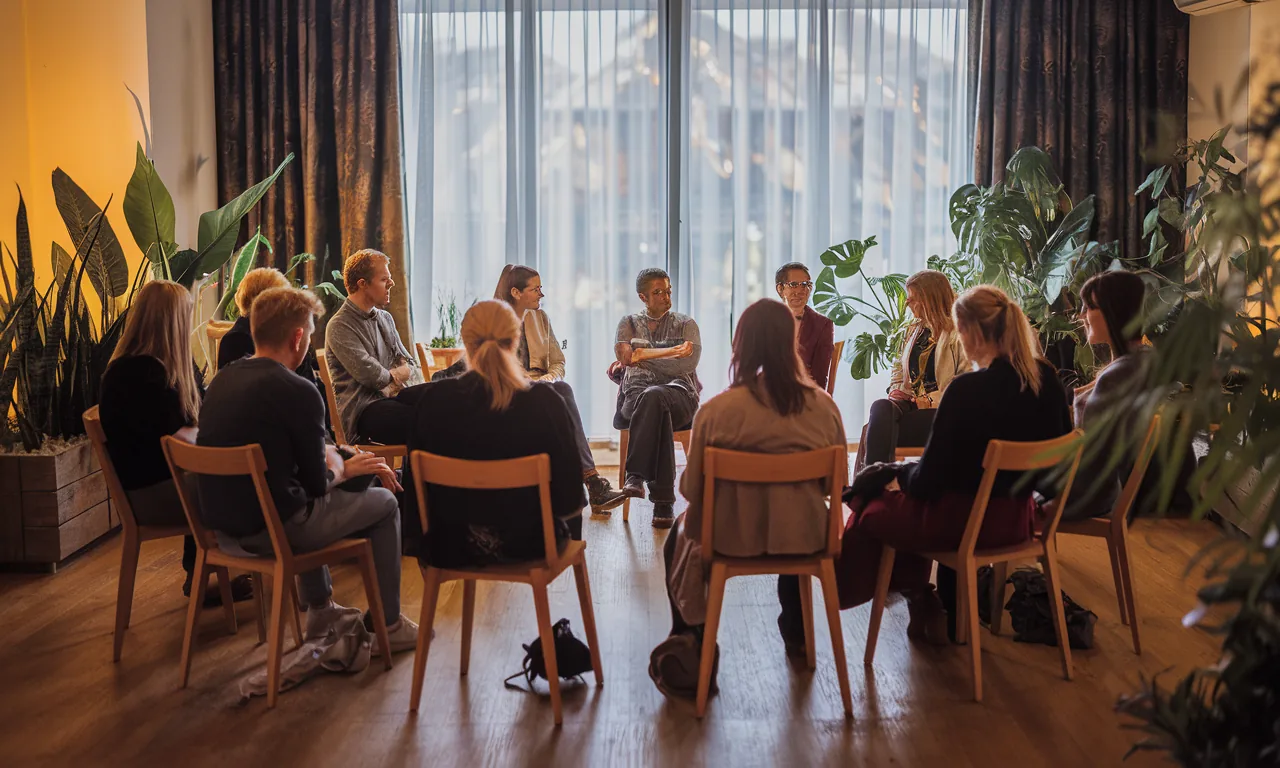
5) Regulars' Tables, Discussion Circles & Open Meetings
Regular meetings are ideal if you not only want to listen but also want to engage in conversation in the long term. Especially here, it is helpful if groups clearly communicate their guidelines (respect, reference to facts, dealing with hate speech).
Typical Topics of Upcoming Talks
Strengthening Democracy & Preventing Extremism
In Kassel, you can continue to expect events on promoting democracy, civic engagement, prevention of racism/antisemitism, and strengthening participation in 2026. The content often deals with practical questions: Which local structures help? How does political education work? What role do schools, clubs, and administration play?
Europe, Ukraine, Disinformation & Security
European and security policy discussions connect global developments with municipal perspectives: protection of democratic institutions, influence operations, media literacy, energy and security policy, as well as support for people affected by war and displacement. In reputable formats, terms (e.g., "hybrid threats," "disinformation") are defined and sources disclosed.
Social Duties, Conscription Debate & Civil Resilience
When discussions about duty, voluntariness, and social responsibility are on the agenda, it is worth looking at the announced composition of the panel: It is usually balanced when, in addition to authorities and political perspectives, ethics, youth representatives, science, and civil society voices are also included.
International Perspectives (Beyond Europe)
Conferences and lecture series often address international developments, such as political dynamics in North and South America, Eastern Europe, or the Global South. This is particularly valuable for visitors when organizers clearly separate observation, analysis, and normative evaluation.
How to Reliably Find Current Dates
To really find upcoming events, it is best to use several sources in parallel and check the date, location, admission, and registration requirement each time:
- Official event calendars of the city and municipal institutions (often with filters "Politics," "Lecture," "Education").
- Websites/newsletters of universities, cultural centers, educational institutions, foundations, and civil society initiatives in Kassel and the region.
- Ticket and event platforms (good for admission info; pay attention to the original organizer as the primary source).
- Social media should only be used as a hint, always cross-check with the official site (to avoid misinformation).
A simple quality check: Reputable announcements state moderation, panel, organizer, goal (information/workshop/dialogue), and rules (e.g., dealing with discriminatory contributions).
How to Prepare for a Discussion
- Read the announcement carefully: topic, format, target group, expected prior knowledge, registration deadlines.
- Write down 1–2 concrete questions that relate to verifiable aspects (data, responsibilities, impact assessment, alternatives).
- Check terms and sources: For EU/security topics, official background pages and fact checks from reputable institutions help.
- Plan respectfully: Good debate culture does not mean agreement, but fair rules, conversational discipline, and willingness to correct oneself.
Get Involved: From Listening to Co-Organizing
Political debates in Kassel are not just for watching. Depending on the format, you can get involved in the following ways in the future:
- Audience questions: Ask about sources, responsibilities, timelines, and goal conflicts.
- Workshops: Bring in practical cases (e.g., from school, club, neighborhood) and learn methods that are frequently used in political education formats in Kassel.
- Regular meetings: If you are looking for connections, discussion circles/regulars' tables are often the easiest entry point.
- Volunteering: Many organizers appreciate support with organization, public relations, moderation assistance, or documentation.
A vibrant democracy is not shown by everyone having the same opinion, but by conflicts being carried out publicly, informed, and respectfully.