Franz Kafka
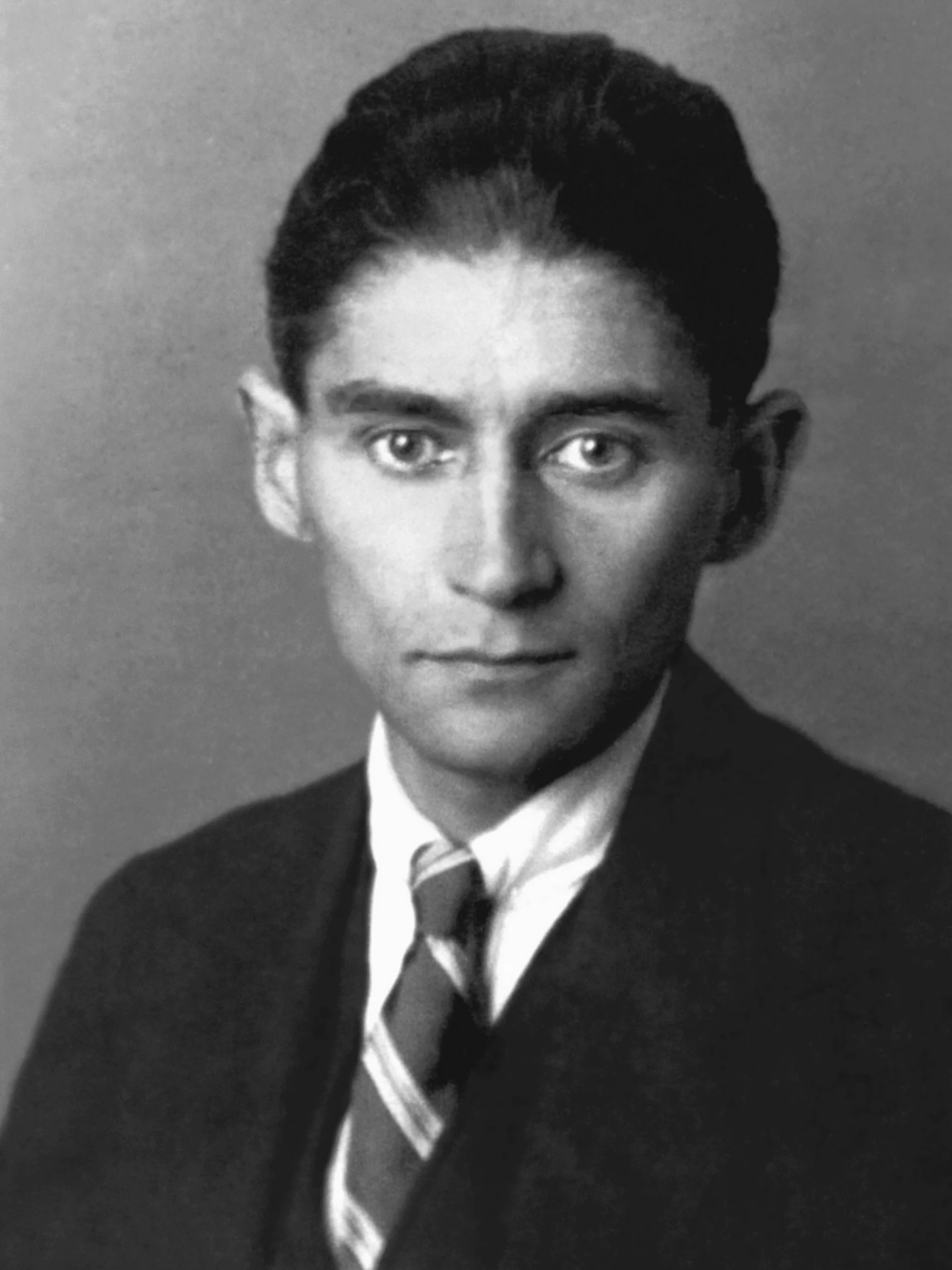
Image from Wikipedia
Image from Wikipedia
Franz Kafka – The Writer Who Transformed Modernity into a Linguistic Labyrinth
A Life Between Prague, Office Routine, and Literary Immortality
Franz Kafka was born on July 3, 1883, in Prague and died on June 3, 1924, in Kierling near Vienna. He is considered one of the most influential voices in Prague German literature and German-language modernism. His works such as The Trial, The Castle, and Amerika have become ingrained in cultural memory far beyond literature. ([en.wikipedia.org](https://en.wikipedia.org/wiki/Franz_Kafka?utm_source=openai))
Kafka's biography is closely intertwined with the tension between professional duty, familial pressure, and literary radicalism. He worked in the insurance industry while living as an author with a rigorous inner discipline, allowing him to experience phases of intense productivity even under challenging circumstances. This dual existence significantly shaped his artistic development. ([archiv.radio.cz](https://archiv.radio.cz/en/static/kafka/biography?utm_source=openai))
The Prague Years: Origins, Education, and Early Influences
Kafka grew up in Prague in what was then Austria-Hungary, in a German-speaking Jewish family whose cultural environment profoundly shaped his perceptions. Even in his student years, he was immersed in an intellectual milieu that connected him with German literature, the humanities, and the literary debates of his time. At university, he joined a student circle that organized readings and literary activities. ([en.wikipedia.org](https://en.wikipedia.org/wiki/Franz_Kafka?utm_source=openai))
The family dynamics, particularly his difficult relationship with his father, are central axes of interpretation for his work. At the same time, Kafka experienced early losses in an environment marked by social and historical tensions. From this mixture emerged literature that vividly illuminates psychological pressure, alienation, and existential uncertainty with rare precision. ([biography.com](https://www.biography.com/authors-writers/franz-kafka?utm_source=openai))
The Literary Career: Writing in the Shadow of the Profession
During his lifetime, Kafka published only a relatively small portion of his work. Among the published texts are Contemplation, The Judgment, The Metamorphosis, In the Penal Colony, and A Country Doctor. The profound impact of his oeuvre, therefore, only became apparent posthumously, which makes his reception particularly unique to this day. ([encyclopedia.com](https://www.encyclopedia.com/people/literature-and-arts/german-literature-biographies/franz-kafka?utm_source=openai))
His most famous novels remain unfinished: The Trial, The Castle, and Amerika mark a literary modernity in which narrative, guilt, power, and bureaucracy merge into an oppressive system. This very incompleteness has not diminished but rather amplified Kafka's posthumous fame. His texts function as open spaces where each interpretation generates new tension. ([britannica.com](https://www.britannica.com/biography/Franz-Kafka?utm_source=openai))
Max Brod and the Posthumous Breakthrough
A central aspect of Kafka's fame is connected to Max Brod, his close friend and literary executor. Kafka had asked Brod to destroy his unpublished writings; however, Brod published them against this request, making one of the largest literary legacies of the 20th century accessible worldwide. Without this decision, the history of modernity would have unfolded differently. ([en.wikipedia.org](https://en.wikipedia.org/wiki/Franz_Kafka?utm_source=openai))
The literary breakthrough, therefore, did not occur as a classic career highlight during his lifetime but rather as a historical posthumous effect. This is exactly where Kafka's extraordinary authority lies: his texts did not succeed through market logic but through their linguistic precision, symbolic density, and enduring interpretive power. To this day, Kafka is read as a key author when it comes to bureaucracy, alienation, and modern identity crises. ([britannica.com](https://www.britannica.com/biography/Franz-Kafka?utm_source=openai))
Style, Language, and the Birth of the Kafkaesque
Kafka wrote in a language that seems clear, sober, and almost factual at first glance, but at its core unfolds a highly complex psychological and symbolic architecture. His prose generates a sense of threat not through pathos but through precisely positioned shifts in the everyday. This is precisely where the special power of his literature arises: the ordinary tilts into the uncanny, the bureaucratic logic into the existential. ([britannica.com](https://www.britannica.com/biography/Franz-Kafka?utm_source=openai))
From this poetics emerged the adjective "Kafkaesque," which to this day serves as a cultural term for absurd, unfathomable, and threatening situations. Few other authors have generated such a long-lasting linguistic and societal impact. Kafka's style is therefore not only of literary significance but also profoundly influential in terms of concepts. ([en.wikipedia.org](https://en.wikipedia.org/wiki/Franz_Kafka?utm_source=openai))
Musical References and Cultural Resonance
Although Franz Kafka was reportedly quite reserved regarding music, his work has strongly influenced the history of music and art. His texts and motifs have been adopted and further developed in opera, concerts, theater, film, and visual arts. The enduring presence of the "Kafkaesque" demonstrates how far his cultural influence extends beyond literature. ([de.wikipedia.org](https://de.wikipedia.org/wiki/Franz_Kafka?utm_source=openai))
Especially in the interpretation of modern crisis experiences, Kafka remains a reference point. His characters represent powerlessness, fear, and the attempt to find orientation in an impenetrable system. This quality makes him an author whose work remains remarkably relevant even in the 21st century. ([britannica.com](https://www.britannica.com/biography/Franz-Kafka?utm_source=openai))
Critical Reception and Literary Canon
Today, Kafka is part of the canon of world literature. His novels and stories are considered key texts of modernity because they connect individual experience with societal structure while developing a distinctive imagery. The scholarly and public reception ranges from biographical interpretation to analysis of power, law, language, and identity. ([britannica.com](https://www.britannica.com/biography/Franz-Kafka?utm_source=openai))
The circumstances of his posthumous fame are also part of his legend: an author whose work only became fully visible after death and then had an even stronger impact. This tension between invisibility during his lifetime and immense effect afterward makes Kafka's position in literary history unique. His name today stands for a whole aesthetic experience. ([en.wikipedia.org](https://en.wikipedia.org/wiki/Franz_Kafka?utm_source=openai))
Conclusion: Why Franz Kafka Continues to Fascinate
Franz Kafka fascinates because he articulated the feeling of modern existence with startling precision. His texts unite psychological depth, stylistic clarity, and symbolic impact into literature that never loses its pull. Those who read Kafka encounter not just an author but an entire intellectual space of modernity. ([britannica.com](https://www.britannica.com/biography/Franz-Kafka?utm_source=openai))
For this reason, engaging with his work is always worthwhile. Kafka remains compelling because his stories do not smooth over the uncertainties of life but rather condense them into literature. Engaging with him entails experiencing one of the great classics of world literature in its full intensity. ([britannica.com](https://www.britannica.com/biography/Franz-Kafka?utm_source=openai))
Official Channels of Franz Kafka:
- Instagram: No official profile found
- Facebook: No official profile found
- YouTube: No official profile found
- Spotify: No official profile found
- TikTok: No official profile found
Sources:
Upcoming Events
Kafka's Stories, after Franz Kafka - for the last time
The Trial – Premiere
The Trial – Theater Lübeck
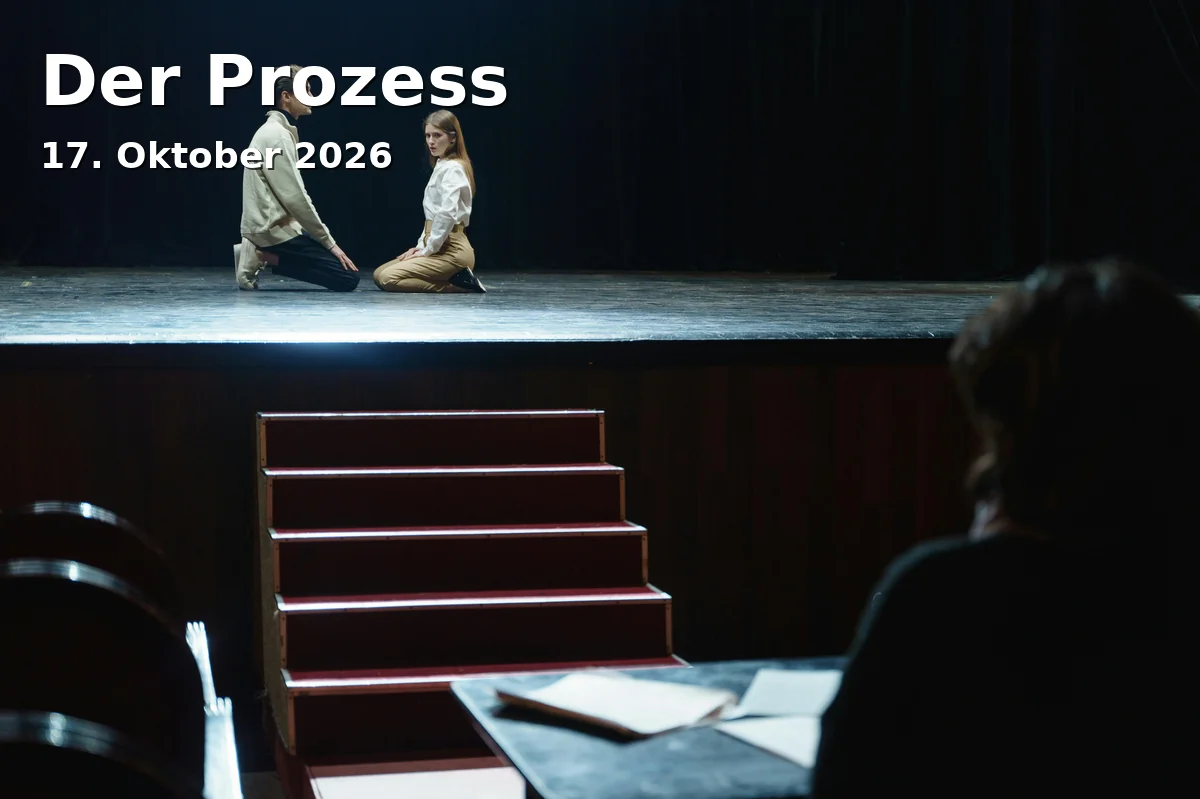
The Trial