
Jane Schoenbrun
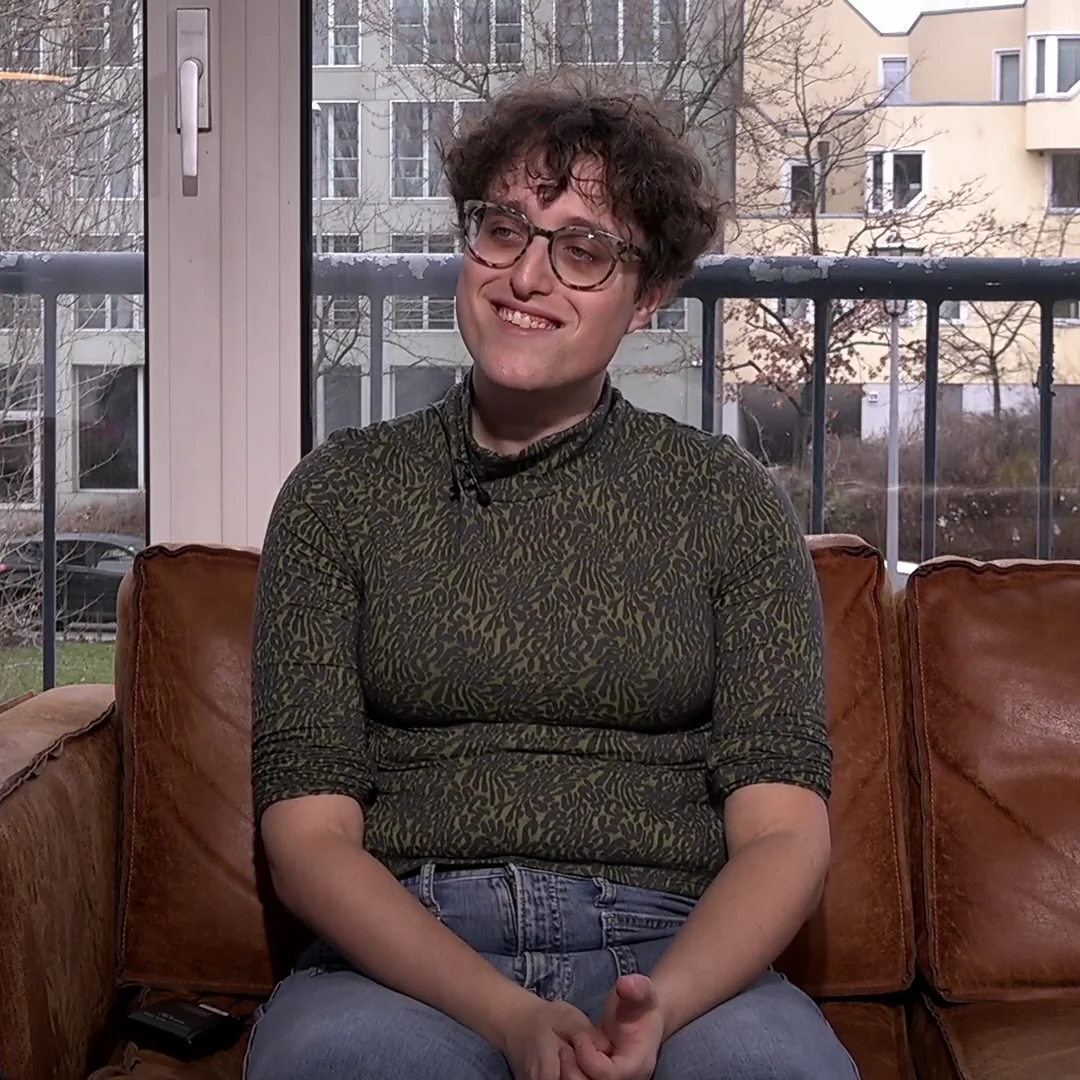
Image from Wikipedia
Image from Wikipedia
Jane Schoenbrun: The Radical Visual Language of a New Transcultural Filmmaker
An Artist Profile Intersecting Internet Myth, Identity, and Modern Genre Innovation
Jane Flannery Schoenbrun, born in 1986 or 1987 in Queens, New York City, is one of the most distinctive voices in contemporary US independent cinema. As a non-binary person, Schoenbrun uses they/them pronouns and has gained recognition for films that merge internet culture, adolescence, dysphoria, and horror into a unique cinematic language. The breakthrough came with the award-winning feature film We’re All Going to the World’s Fair (2021), followed by I Saw the TV Glow (2024), which further solidified their status as an unconventional auteur. ([en.wikipedia.org](https://en.wikipedia.org/wiki/Jane_Schoenbrun?utm_source=openai))
Biographical Roots: Queens, the Internet, and Early Artistic Empowerment
Schoenbrun's work is closely tied to the digital age: even their early projects revolved around online myths, self-invention, and the psychological shadows of interconnected youth culture. According to the Criterion Collection, Schoenbrun worked for several years as a producer before their first directorial project; thus, their artistic profile was shaped not by a single debut, but through a longer practice at the intersection of production, curation, and direction. This development lends a particular authority to the music-critique-like precision of the staging, even though Schoenbrun is not a musician in the strict sense. ([criterion.com](https://www.criterion.com/current/posts/8364-jane-schoenbrun-s-i-saw-the-tv-glow%3Fsrsltid%3DAfmBOor9Kb__GOMjx1_oV6mZKhiLpyQsXbNgjvErNw_OBa5FAOKWYdIN?utm_source=openai))
The First Spark: Short Films, Internet Horror, and the Path to Feature Film
With A Self-Induced Hallucination (2018), Schoenbrun already set an aesthetic marker. The film explores the Slender Man phenomenon as a collage of existing YouTube images, marking a handwriting that develops a new dramaturgy from found materials, media critique, and psychological unrest. This early work laid the groundwork for We’re All Going to the World’s Fair, in which a teenager immerses themselves into an online role-playing world and experiences reality as increasingly unstable. ([criterion.com](https://www.criterion.com/current/posts/8364-jane-schoenbrun-s-i-saw-the-tv-glow%3Fsrsltid%3DAfmBOor9Kb__GOMjx1_oV6mZKhiLpyQsXbNgjvErNw_OBa5FAOKWYdIN?utm_source=openai))
The Breakthrough with We’re All Going to the World’s Fair
With We’re All Going to the World’s Fair, Schoenbrun first gained significant attention in film criticism and the festival circuit. The release is described in the Criterion Collection as an early confirmation of a distinctive voice; at the same time, the film was recognized at Sundance and classified as a remarkable debut due to its blend of DIY aesthetic, psychological horror, and digital loneliness. The work speaks less about the internet as a surface, but rather as an identity machine: a space where fear, longing, and self-conception become inseparable. ([criterion.com](https://www.criterion.com/current/posts/8364-jane-schoenbrun-s-i-saw-the-tv-glow%3Fsrsltid%3DAfmBOor9Kb__GOMjx1_oV6mZKhiLpyQsXbNgjvErNw_OBa5FAOKWYdIN?utm_source=openai))
I Saw the TV Glow: The Big Leap into the Cultural Center
With I Saw the TV Glow, Schoenbrun made the leap into broader pop culture in 2024. The film released by A24 tells the story of Owen, who is drawn into a second reality through a mysterious late-night TV series; the official synopsis emphasizes the collapse of reality under the light of the screen. Schoenbrun describes the film as a work that emerged from early transition, dysphoria, and the search for a personal language. This is where the emotional weight lies: the film transforms the search for identity into genre cinema of rare intensity. ([a24films.com](https://a24films.com/films/i-saw-the-tv-glow?utm_source=openai))
Aesthetic and Style: Horror as Inner Frequency
Schoenbrun's direction is not a classical thrill-seeking calculus, but a precisely constructed system of discomfort, nostalgia, and emotional condensation. Reviews and discussions describe a kinship with David Lynch, Richard Kelly, and other genre subverters; at the same time, the press highlights that Schoenbrun stages transness not as a didactic explanation, but as an inner experience. This very refusal to externalize everything makes the works so powerful: the images resonate like a musical arrangement of tension, repetition, and sudden dissonance. ([au.variety.com](https://au.variety.com/2024/film/features/i-saw-the-tv-glow-jane-schoenbrun-interview-owen-trans-2-13744/?utm_source=openai))
Critical Reception, Festival Resonance, and Critical Response
The reception of I Saw the TV Glow has been outstanding. The film received six Spirit Award nominations; moreover, major media outlets described the work as a bold, disturbing, and deeply personal commentary on queer experience and pop cultural memory. Variety, The Guardian, and the Criterion Collection emphasized the film's ambition and Schoenbrun's ability to shape a film from horror, coming-of-age, and identity politics that defies straightforward categorization. ([criterion.com](https://www.criterion.com/current/posts/8667-in-some-manner-a-horror-film?utm_source=openai))
Current Projects: The Next Chapter Will Be Even More Radical
In 2024 and 2025, Schoenbrun again drew international attention with the next film Teenage Sex and Death at Camp Miasma. The work, a slasher project, was presented at Cannes in 2026 and was described by festival and press sources as queer, wild, meta, and stylistically even more ambitious; the lead roles were taken by Hannah Einbinder and Gillian Anderson. In parallel, a novel project titled Public Access Afterworld is mentioned in the context of Schoenbrun's overall work as another building block of a larger narrative universe. ([festival-cannes.com](https://www.festival-cannes.com/2026/ouverture-un-certain-regard-qui-est-jane-schoenbrun-a-lorigine-de-teenage-sex-and-death-at-camp-miasma/?utm_source=openai))
Cultural Influence: A Name for the New Trans Auteur Generation
Schoenbrun now exemplifies a generation of filmmakers who do not place online images, trans experience, and genre cinema side by side, but rather intertwine them. The Criterion Collection explicitly situates Schoenbrun within the development of trans cinematic authorship, while festivals and cultural sections treat their works as a reference point for a younger, media-savvy, and queer audience group. The cultural influence lies not only in themes but also in form: Schoenbrun changes how horror, nostalgia, and self-perception resonate in cinema. ([criterion.com](https://www.criterion.com/current/posts/9177-charting-the-rise-of-trans-filmmaking-with-caden-mark-gardner-and-willow-maclay?utm_source=openai))
Official Channels of Jane Schoenbrun:
- Instagram: no official profile found
- Facebook: no official profile found
- YouTube: no official profile found
- Spotify: no official profile found
- TikTok: no official profile found
Conclusion: Why Jane Schoenbrun is So Exciting Today
Jane Schoenbrun is exciting because this is not a smooth author cinema, but a cinema of inner friction: personal, smart, laden with pop culture, and highly formal precise. Those wanting to understand how contemporary cinema finds new forms with identity, the internet, and horror cannot overlook Schoenbrun. These films demand attention, reward revisits, and unfold their full gravitational force on the big screen — a compelling reason to experience Jane Schoenbrun's work live and in theaters. ([criterion.com](https://www.criterion.com/current/posts/8466-screens-aglow?utm_source=openai))
Sources:
- Wikipedia - Jane Schoenbrun
- A24 - I Saw the TV Glow
- A24 - That Little Creature: A Note from Jane Schoenbrun
- The Criterion Collection - Jane Schoenbrun’s I Saw the TV Glow
- The Criterion Collection - Screens Aglow
- The Criterion Collection - Charting the Rise of Trans Filmmaking
- Variety Australia - I Saw the TV Glow Interview, May 6, 2024
- The Guardian - I want to make movies for my people, May 11, 2024
- Festival de Cannes - Teenage Sex and Death at Camp Miasma
- Festival de Cannes - Qui est Jane Schoenbrun ?