
Lutz van Dijk
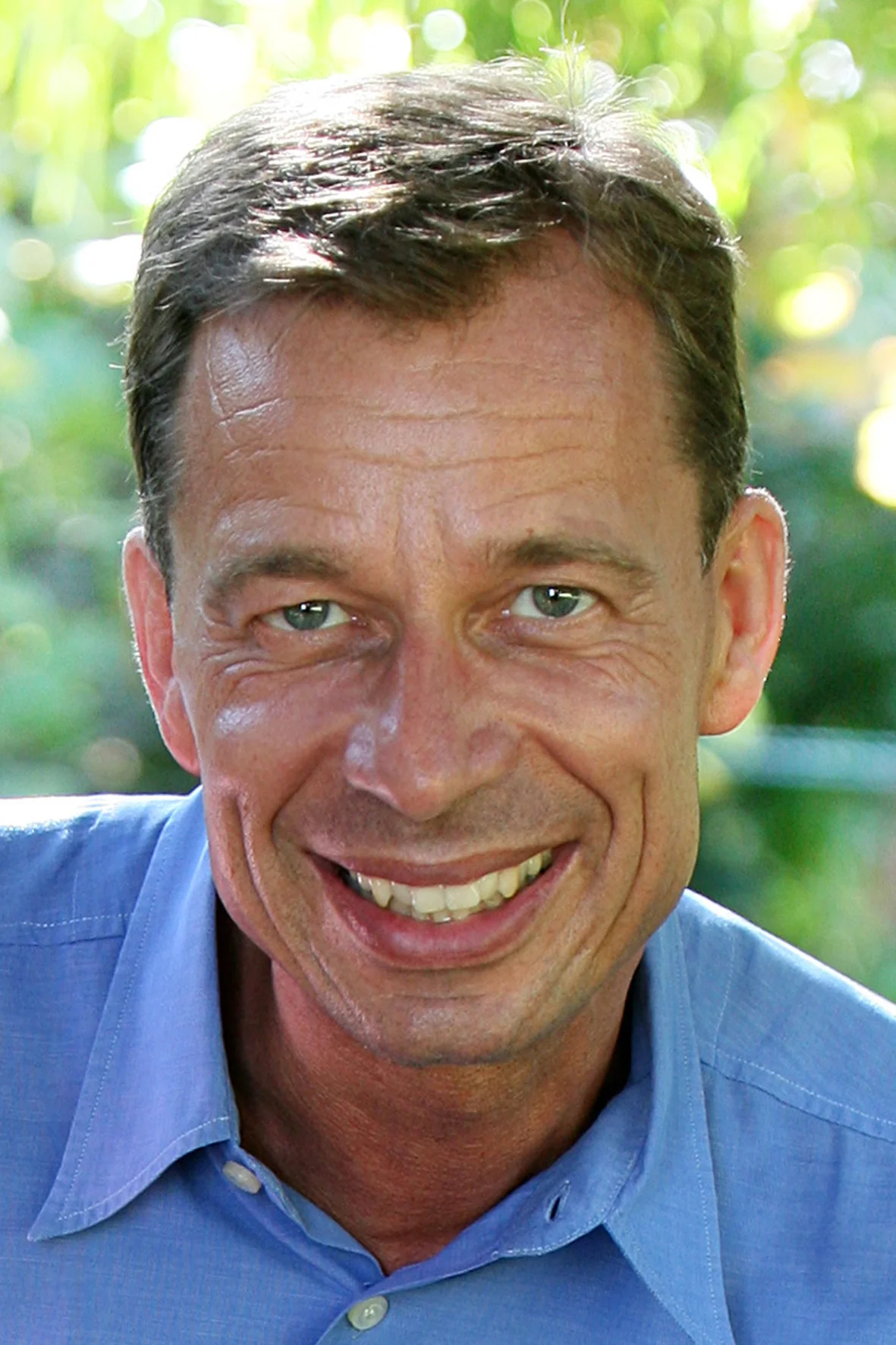
Image from Wikipedia
Image from Wikipedia
Lutz van Dijk: The Author and Educator between Memory, Enlightenment, and Literary Stance
A Life Dedicated to Education, Human Rights, and Narrative Responsibility
Lutz van Dijk is one of the prominent German-Dutch voices in contemporary literature, especially concerning historical reappraisal, social responsibility, and the visibility of suppressed life stories. Born in 1955 in West Berlin and known until 1992 as Lutz van Dick, he initially worked as a special education teacher before carving out his own place as an author and educator in the German-speaking cultural landscape. His biography combines education, exile experience, international perspectives, and literary enlightenment into a body of work that consistently advocates for human dignity, diversity, and a culture of remembrance. ([de.wikipedia.org](https://de.wikipedia.org/wiki/Lutz_van_Dijk?utm_source=openai))
Biographical Roots: West Berlin, Awakening, and International Influence
The early years of Lutz van Dijk are closely linked to the politically and culturally charged atmosphere of West Berlin. According to available sources, he left Germany at the age of 18 and lived in the USA, Canada, and Mexico, before continuing to orient his professional and personal focus internationally. These experiences shape his writing to this day, as his books emerge from a perspective that consciously transcends national borders, ideological constraints, and historical repression. ([querverlag.de](https://www.querverlag.de/wp-content/uploads/2024/07/Pressemitteilung_Lutz.pdf?utm_source=openai))
After his teaching stint in Hamburg, van Dijk earned his doctorate in educational science from the University of Hamburg in 1987 with a thesis on oppositional teacher behavior during the National Socialist era. This early focus strongly influenced his later work: the connection between pedagogy, historical research, and social responsibility. His time in England, the USA, and Israel as part of his doctoral studies further shows how his academic and journalistic development was deeply informed by international learning experiences. ([campus.de](https://www.campus.de/autoren/autoren-a-z/lutz_van_dijk-1882.html?utm_source=openai))
Career as an Author: Writing Against Forgetting
As a writer, Lutz van Dijk primarily addresses themes such as National Socialism, homosexuality, exclusion, racism, and the lived realities of young people. His youth novel Verdammt starke Liebe became particularly significant, regarded as the only youth book on the persecution of homosexuals during the Nazi era and translated into numerous languages. Here, van Dijk's literary signature is evident: he tells stories not from a distance but closely linked to the life stories of his characters, with a clear moral stance and a language that makes historical complexity accessible to a younger audience. ([hugendubel.info](https://www.hugendubel.info/detail/ISBN-9783896562289/Van-Dijk-Lutz/Endlich-den-Mut-...?utm_source=openai))
His work extends far beyond this key book. Sources mention titles including Einsam war ich nie, Ist Liebe ein Menschenrecht?, Die Geschichte Afrikas, and Kampala-Hamburg. Van Dijk wrote many of his books in German; simultaneously, numerous texts have been translated into Afrikaans, Xhosa, and English, underscoring his international relevance. This multilingualism and translatability illustrate that his books are read not only regionally but also transculturally. ([hugendubel.info](https://www.hugendubel.info/detail/ISBN-9783863000585/Dijk-Lutz-van/Ist-Liebe-ein-Menschenrecht?utm_source=openai))
Journalistic Stance: Pedagogy, Culture of Remembrance, and Engagement
Van Dijk is not only an author but also an engaged educator and activist. From 1992 to 1999, he worked at the Anne Frank House in Amsterdam, a position that further deepened his engagement with culture of remembrance and the history of National Socialism. In early 2001, he co-founded the aid organization HOKISA in a township near Cape Town with South African activist Karin Chubb and other collaborators. The organization supports children and young people who have lost their parents to AIDS or are infected themselves. ([de.wikipedia.org](https://de.wikipedia.org/wiki/Lutz_van_Dijk?utm_source=openai))
This connection between literature and social action is central to his profile. Van Dijk's texts are not isolated in the literary realm but function as pedagogical interventions, contributions to human rights education, and memorial work. His awards and nominations also reflect this approach: in 1997, he received the Youth Literature Prize of Namibia, in 2001 the Gustav-Heinemann Peace Prize, in 2021 a nomination for the German Youth Literature Prize, and in 2023 a Stonewall Award nomination for his LGBTQ+ engagement. ([en.wikipedia.org](https://en.wikipedia.org/wiki/Lutz_van_Dijk?utm_source=openai))
Later Works and Current Projects
Recently, Lutz van Dijk remains productive and thematically clearly positioned. A source from 2024 refers to an autobiography in which he literarily processes his childhood in divided Berlin and the decision to move to New York at 18. In addition, his work will continue to be highlighted in publishing and press contexts in 2024/2025, such as in connection with new editions, readings, and current publications. His authorship thus remains alive, relevant to the present, and deeply rooted in history. ([en.wikipedia.org](https://en.wikipedia.org/wiki/Lutz_van_Dijk?utm_source=openai))
Notably, van Dijk does not view his themes in isolation. Africa, queer history, remembrance of the Holocaust, and questions of global justice form an interconnected literary and pedagogical field. This is precisely where his sustainable impact lies: he writes books that not only inform but also generate stance and open spaces for conversation. ([content-select.com](https://content-select.com/de/portal/media/view/5305e01f-9ea0-491b-9a58-7d8f2efc1343?utm_source=openai))
Work, Reception, and Cultural Influence
The critical reception of Lutz van Dijk's works is closely linked to their societal significance. His books have been regarded in various contexts as important contributions to historical enlightenment and a diverse culture of youth and non-fiction literature. A look at the available publishing and academic sources shows that he consciously engages with marginalized realities and places them in a literarily and pedagogically relevant context. Thus, he has established a reputation as an author who does not respond to short-term trends but consistently works on the same core issues over many years. ([hugendubel.info](https://www.hugendubel.info/detail/ISBN-9783863000585/Dijk-Lutz-van/Ist-Liebe-ein-Menschenrecht?utm_source=openai))
His academic recognition is also noteworthy: in 2009, he was appointed honorary professor for poetics at the Research Center for Children's and Youth Literature at the University of Oldenburg. This aligns with a body of work that understands literature not only as an art form but as a social practice. In this respect, van Dijk is an author with clear authority: he connects research, teaching, activism, and narrative art into a credible, long-term impactful overall work. ([en.wikipedia.org](https://en.wikipedia.org/wiki/Lutz_van_Dijk?utm_source=openai))
Style and Themes: Clarity, Empathy, Historical Depth
Stylistically, van Dijk employs a well-understood, accessible language that does not lose literary weight. His texts rely on empathy, careful research, and a clear ethical positioning. The connection between historical themes and personal fates creates a form of writing that conveys knowledge while also binding emotionally. ([books.google.com](https://books.google.com/books/about/Auf_Leben_und_Tod.html?id=xXhsQgAACAAJ&utm_source=openai))
His thematic spectrum ranges from the persecution during the Nazi era to questions of sexual identity, African life worlds, and post-colonial perspectives. This makes him an author who brings global experiences into a readable, often youth-friendly form. His books serve as literary bridges between generations, continents, and cultures of remembrance. ([en.wikipedia.org](https://en.wikipedia.org/wiki/Lutz_van_Dijk?utm_source=openai))
No Musical Career, but Strong Cultural Resonance
An important point for classification: the available sources describe Lutz van Dijk as an author, educator, and historian, not as a musician. A discography, hit singles, or chart successes have not been documented for him, nor is there evidence of a musical career in the stricter sense. His cultural significance thus arises not from music but from literature, education, and civic engagement. ([en.wikipedia.org](https://en.wikipedia.org/wiki/Lutz_van_Dijk?utm_source=openai))
This clarity makes his biography interesting: it shows a person whose public impact is not channeled through pop culture but through enlightenment, reading culture, and pedagogical practice. Those who read Lutz van Dijk encounter not a decorative author but a keen observer of history and the present. His works are therefore particularly engaging for readers who understand literature as a morally and socially relevant medium. ([en.wikipedia.org](https://en.wikipedia.org/wiki/Lutz_van_Dijk?utm_source=openai))
Conclusion: An Author with Stance, Vision, and Lasting Relevance
Lutz van Dijk is compelling because he consistently combines writing, teaching, and action. His books open pathways to difficult historical topics, give space to marginalized voices, and demonstrate how literature can assume social responsibility. Anyone interested in culture of remembrance, human rights, queer history, and international educational perspectives should definitely discover this work and experience him live at readings and discussions. ([en.wikipedia.org](https://en.wikipedia.org/wiki/Lutz_van_Dijk?utm_source=openai))
Official Channels of Lutz van Dijk:
- Instagram: No official profile found
- Facebook: No official profile found
- YouTube: No official profile found
- Spotify: No official profile found
- TikTok: No official profile found
Sources:
- Wikipedia – Lutz van Dijk
- Campus Verlag – Lutz van Dijk
- Querverlag – Lutz van Dijk
- Hugendubel Fachinformationen – Ist Liebe ein Menschenrecht?
- Hugendubel Fachinformationen – Endlich den Mut ...
- Content-Select – Die Geschichte Afrikas
- Arbeitskreis für Jugendliteratur – Nominierungsbroschüre 2021
- Querverlag – Pressemitteilung Lutz van Dijk
- Wikipedia: Image and text source
Upcoming Events
Lutz van Dijk reads in Bielefeld from The Wide World
Lutz van Dijk reads from »The Wide World« in Bonn
Literature in Conversation: The Wide World
Reading and Conversation with Lutz van Dijk
Lutz van Dijk reads in Potsdam: The Wide World between New York and Cape Town