
Sebastian Hartmann (Theaterregisseur)
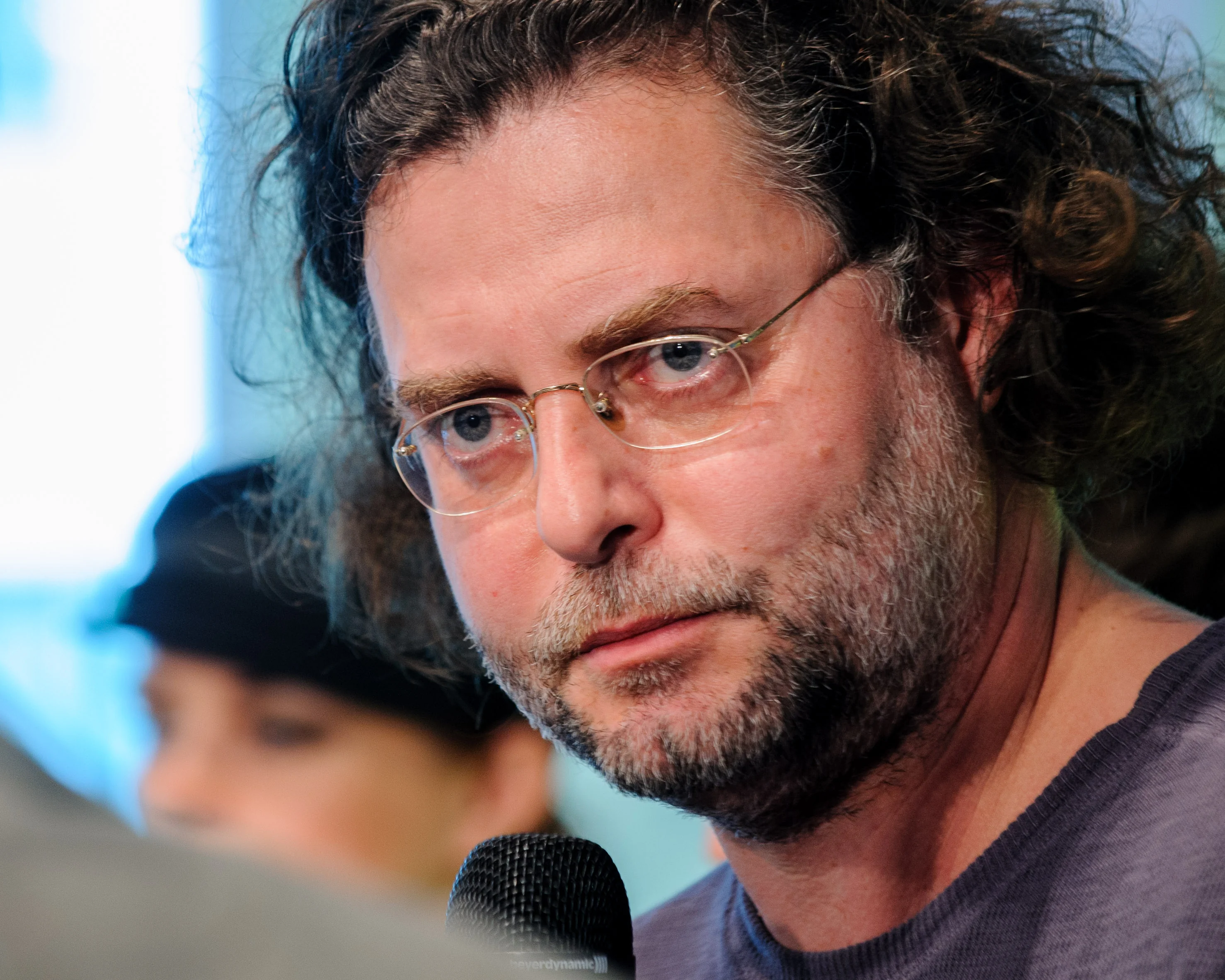
Image from Wikipedia
Image from Wikipedia
Sebastian Hartmann: The Radical Theater Director between Dream Logic, Text Deconstruction, and Intense Stage Art
A Director Who Has Challenged German Theater for Decades
Sebastian Hartmann, born on May 18, 1968, in Leipzig, is one of the most distinctive theater directors in the German-speaking world. His artistic career connects the experiences of the GDR, the upheavals of the post-reunification period, and a consistently idiosyncratic aesthetic that does not narrate classical themes smoothly but instead breaks them down into visual spaces, atmospheres, and psychological states. From 2008 to 2013, he served as the artistic director at Schauspiel Leipzig, where he developed an intense, often risky theatrical signature that garnered national attention. ([de.wikipedia.org](https://de.wikipedia.org/wiki/Sebastian_Hartmann_%28Theaterregisseur%29?utm_source=openai))
Early Years, Education, and the Path to the Independent Scene
Hartmann studied at the Hans Otto Theater School in Leipzig and developed an early affinity for the tension between text, body, space, and friction. In the mid-1990s, he worked in the independent theater scene and founded the independent theater group Wehrtheater Hartmann in 1997, whose productions were invited to important festivals like Impulse and Politics in Free Theater. This phase laid the foundation for a style that continually shifts the boundaries of representational theater and consciously attacks conventions. ([deutschestheater.de](https://www.deutschestheater.de/das-deutsche-theater/personen/sebastian-hartmann?utm_source=openai))
Breakthrough at the Volksbühne and the Development of a Distinctive Style
Hartmann celebrated his breakthrough as a young director at the Berlin Volksbühne, where his work was recognized early on as powerful, idiosyncratic, and uncompromising. Critical voices still describe him as an artist who does not rely on coherent retelling but rather on association, fragmentation, and emotional condensation. His staging of Sarah Kane's anti-war play Zerbombt caused a stir in 1997, as it was banned by the rights holder for allegedly not being directed in the spirit of the author. ([de.wikipedia.org](https://de.wikipedia.org/wiki/Sebastian_Hartmann_%28Theaterregisseur%29?utm_source=openai))
House Director, Artistic Director, and Influential Stages in Leipzig, Hamburg, and Beyond
Between 1999 and 2003, Hartmann was a house director at the Berliner Volksbühne, and from 2001 to 2005 at the Deutsches SchauSpielHaus Hamburg. Afterward, he worked freelance at prestigious venues such as the Burgtheater Vienna, Theater Basel, Schauspiel Köln, Theater Magdeburg, Schauspiel Frankfurt, NO-Theater Tallinn, and the National Theater Oslo. For his directorial work in Oslo, he received the Hedda Award for Best Direction and Best Production in 2005; in 2006 he again received the Hedda Award there for Segen der Erde. His authority as one of the most independent directors of his generation became evident here. ([deutschestheater.de](https://www.deutschestheater.de/das-deutsche-theater/personen/sebastian-hartmann?utm_source=openai))
Theater as Challenge, Ecstasy, and Machine of Knowledge
Hartmann's works are known for their strong stage presence, their condensation of language and image, and their willingness to shatter meaning to open new realms of perception. Die Deutsche Bühne describes his engagement with material as a search for a "conceptual core," while other critiques interpret his productions as associative, often dream-like experiential spaces. This approach makes his theater exciting for an audience that seeks not smooth illustration but an intense, sometimes disturbing artistic process. ([die-deutsche-buehne.de](https://www.die-deutsche-buehne.de/leseprobe/wider-den-psychologischen-ablass/?utm_source=openai))
Significant Works, Scandals, and Cultural Impact
Hartmann has consistently generated significant attention with productions such as Erniedrigte und Beleidigte, Lear, Der Zauberberg, and Berlin Alexanderplatz. The Deutsches Theater Berlin considers him a central protagonist of the institution; the Staatsschauspiel Dresden recorded invitations to the Berliner Theatertreffen with Humiliated and Insulted and Tartuffe or Capital and Ideology. Critics emphasize that Hartmann does not treat classics in a museum-like manner but translates their impact into the present, often exposing themes such as loneliness, societal overload, and familial strains. ([staatsschauspiel-dresden.de](https://www.staatsschauspiel-dresden.de/ueber-uns/?utm_source=openai))
Current Projects: Music Theater, Classics, and New Interpretive Spaces
Hartmann remains productive and present in recent seasons. In 2024, he presented Atlantis – die Welt als Wille und Vorstellung at the Staatsschauspiel Dresden in collaboration with PC Nackt, a music theater evening described as a cryptic performance piece. For the 2024/25 season and beyond, further works such as Eines langen Tages Reise in die Nacht and Träume in Europa are emerging, with the press perceiving Hartmann's current productions as poetic, melancholic, and simultaneously highly concentrated. Additionally, in 2026, Der Hauptmann von Köpenick and Serotonin have been invited to the Theatertreffen, underscoring his enduring relevance. ([staatsschauspiel-dresden.de](https://www.staatsschauspiel-dresden.de/spielplan/archive/a/atlantis/?utm_source=openai))
Style, Method of Work, and Collaboration with Music and Stage
Hartmann often works with strong visual settings, fragmented text surfaces, and musically charged atmospheres. This was particularly evident in his recent collaborations with musician and composer PC Nackt, where theater and sound, ritual and analysis, dream and drama intertwine. The Staatsschauspiel Dresden and the Deutsches Theater Berlin describe these works as opulent music theater and complex stage events, in which Hartmann does not illustrate the text but reorganizes it through rhythm, space, and tension. ([staatsschauspiel-dresden.de](https://www.staatsschauspiel-dresden.de/spielplan/archive/a/atlantis/?utm_source=openai))
Critical Reception and Audience Impact
The reception of Hartmann's works has been characterized by strong polarity for years: for some, he is a radical reformer of director's theater; for others, a disruptor who consciously breaks dramaturgy. Yet it is precisely this friction that defines his standing. Reviews from major media and theater journals praise the power of his images, the emotional density, and the ability to transform classical material into a present filled with uncertainty, layering, and longing. ([welt.de](https://www.welt.de/kultur/theater/plus69f20522052adba8a89e4526/sebastian-hartmann-sei-ruhig-du-bist-ein-alter-weisser-mann.html?utm_source=openai))
Conclusion: Why Sebastian Hartmann Remains Important
Sebastian Hartmann represents a theater that does not soothe but interrogates; that does not smooth over but opens up. His art thrives on risk, formal rigor, and an unmistakable imagery that interconnects classics, contemporary issues, and psychological interiors. Anyone wishing to experience theater as an intense, physical, and mental state of exception should see Hartmann's works live. ([deutschestheater.de](https://www.deutschestheater.de/das-deutsche-theater/personen/sebastian-hartmann?utm_source=openai))
Official Channels of Sebastian Hartmann:
- Instagram: no official profile found
- Facebook: no official profile found
- YouTube: no official profile found
- Spotify: no official profile found
- TikTok: no official profile found
Sources:
- Wikipedia – Sebastian Hartmann (Theater Regisseur)
- Deutsches Theater Berlin – Sebastian Hartmann
- Berliner Festspiele – Sebastian Hartmann
- Staatsschauspiel Dresden – Atlantis – die Welt als Wille und Vorstellung
- Staatsschauspiel Dresden – Träume in Europa
- Tagesspiegel – Report on Sebastian Hartmann
- WELT – Sebastian Hartmann in the Theater Context
- Die Deutsche Bühne – Interview / Portrait
Upcoming Events
SEROTONIN