
Kassel
34131 Kassel, Germany
Bergpark Wilhelmshöhe | Water Features & Parking
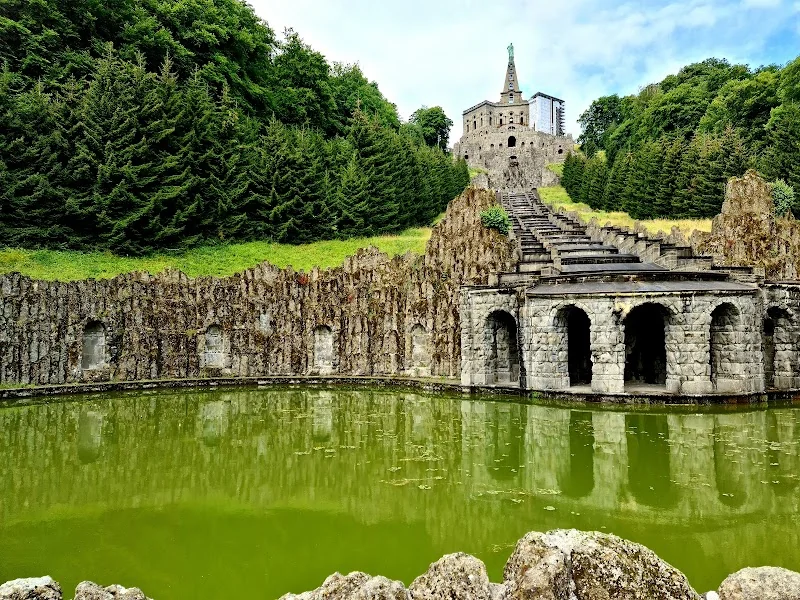
Bergpark Wilhelmshöhe is one of the most distinctive destinations in Kassel: a 560-hectare landscape park that is free to access year-round, which has been a UNESCO World Heritage site since 2013 and offers a unique mix of Baroque, Romanticism, and nature with Hercules, water features, Wilhelmshöhe Palace, and Löwenburg. Those visiting the park for the first time quickly realize that this is not just a collection of individual sights, but a complete staging of sightlines, elevation changes, watercourses, and historical buildings. The upper access at Hercules and the lower area at Wilhelmshöhe Palace allow for different walks, depending on whether the focus is on views, water art, museums, or walking paths. For this reason, many visitors seek information on maps, parking, opening hours, walking routes, and the current water flow. This text consolidates the essential facts about getting there, parking, water features, winter visits, gastronomy, and orientation, so that the visit to the Bergpark can be planned in a relaxed manner. ([kassel.de](https://www.kassel.de/bergpark?utm_source=openai))
Water Features in Bergpark Wilhelmshöhe: Dates, Process, and Highlights
The water features are the centerpiece of the Bergpark and the reason many visitors specifically seek out this natural and cultural site. They run every year from May 1 to October 3, and on these days, the performance starts on Wednesdays, Sundays, and Hessian public holidays at 2:30 PM at Hercules. What is special about it is not only the long tradition but also the fact that the water features still operate today without pumps. The water uses only gravity and natural pressure to move from the upper area of the park through the individual stations to the Great Fountain at the palace pond. Along the way, the watercourses successively pass the cascades, the Steinhöfer waterfall, the Devil's Bridge, the aqueduct, and the Jussow Temple. At the end, the Great Fountain shoots more than 50 meters into the air, forming the spectacular conclusion of a performance that exists in this form hardly anywhere else in the world. ([kassel.de](https://www.kassel.de/buerger/kunst_und_kultur/parks_und_gaerten/wilhelmshoehe/wasserspiele.php?utm_source=openai))
The process is also important for the visit: The water features follow a fixed rhythm, each water display lasts about 10 minutes, and the entire route from Hercules to Wilhelmshöhe Palace covers approximately 2.3 kilometers. Those who walk the performance from start to finish experience the park not as a short photo stop but as a coherent journey through landscape, architecture, and technology. According to official information, around 750 cubic meters of water are directed through the system solely by natural pressure during each performance. This combination of engineering and historical staging made the Bergpark a UNESCO World Heritage site. Additionally, illuminated water features are planned for selected dates in 2026, showcasing the park in a particularly atmospheric evening light. Therefore, those visiting the Bergpark solely for the purpose of the water features should determine the time, starting point, and individual walking direction in advance to ensure a stress-free tour and not miss the key stations. ([kassel.de](https://www.kassel.de/buerger/kunst_und_kultur/parks_und_gaerten/wilhelmshoehe/wasserspiele.php?utm_source=openai))
Parking, Access, and Walking Route in Bergpark Wilhelmshöhe
Bergpark Wilhelmshöhe is located on the western edge of the Kassel urban area and is car-free, which means visitors can only experience it on foot. This is part of its character, as the elevation difference between the palace plateau and the Hercules monument is more than 200 meters. Those walking the entire route should plan for about 1.5 hours and wear sturdy footwear as well as weather-appropriate clothing. It is particularly important to decide whether to start the visit at the top at Hercules or at the bottom at Wilhelmshöhe Palace. Both directions are sensible but lead to different experiences: Starting at the top, one begins at the monumental viewpoint and then follows the water downhill; starting at the bottom, one begins in the more park-like area and experiences the ascent toward Hercules as a landscape-intensive walk. Due to the steep paths and the Baroque staircases without a solid railing, the city of Kassel recommends choosing the desired route in advance and orienting oneself according to the signage. ([visit.kassel.de](https://visit.kassel.de/poi/anreise-und-parken?utm_source=openai))
For those arriving by car, parking is available either behind Hercules or below Wilhelmshöhe Palace. On days with water features, special rates apply: €8.50 for cars, €6.50 for motorcycles, €11.50 for minibuses or RVs, and €21.50 for coaches. The parking ticket also serves as a combo ticket for bus line 23 for up to 7 people, facilitating the connection between the two park areas. Additionally, arriving by public transport is recommended: From the city center or Wilhelmshöhe train station, a combination of tram and bus leads toward Hercules, and after the tour, one can board the tram again below the palace. For guests with mobility impairments, a Bergpark shuttle operates on days with water features, connecting the Wilhelmshöhe parking lot and the Great Cascades. Thus, the Bergpark remains well-planned despite its hillside location if one consciously selects the starting point and desired direction. ([visit.kassel.de](https://visit.kassel.de/poi/parken-am-bergpark?utm_source=openai))
Admission, Opening Hours, and Bergpark Wilhelmshöhe in Winter
One of the most pleasant pieces of news for those who want to experience the Bergpark in peace is its free admission. The park is open year-round and accessible in every season. This makes it interesting not only for classic excursion days but also for spontaneous walks, photo tours, and longer walks without ticket stress. For those needing information on-site, there is a visitor center at Hercules that is open year-round, covering 550 square meters with a reception area, restrooms, exhibition areas on Hercules, water art, and the Bergpark, as well as a museum shop. At the city-side access, there is also the Wilhelmshöhe visitor center, which serves as a tourist information center and is open seasonally. There, one can obtain brochures, information on guided tours, and tickets for the attractions in the Bergpark. For those who only have the basic question about the park's opening hours, it can be noted: The park itself is always open, while the service points have their own time windows. ([kassel.de](https://www.kassel.de/bergpark?utm_source=openai))
In winter, the Bergpark shows a different but no less attractive side. The water features end on October 3, but the facility remains an attractive spot for walks and views. Particularly interesting is the Great Greenhouse, which dates from 1822/23, was later expanded, and is open between November 1 and March 31. Its delicate iron-glass construction is one of the early examples of this building style in Germany and offers a strong contrast to the open park landscape in the cold season. The Bergpark app can also help structure the winter visit, as it consolidates current information, orientation, and tips on sights, restaurants, and visitor centers. Therefore, those searching for the keyword in winter will find that the Bergpark is not a dormant place but a park with less activity, clear tranquility, and individual winter highlights that unfold their charm especially outside the water feature season. ([visit.kassel.de](https://visit.kassel.de/en/poi/great-greenhouse?utm_source=openai))
Hercules, Wilhelmshöhe Palace, and Löwenburg
The Hercules is the landmark of Kassel and the most visible part of the Bergpark. From its observation platform, the view extends far over the landscape, and the entire facility appears from above as a deliberately staged connection of monument, stair axis, and water course. The dimensions are already impressive: The Bergpark is the largest mountain park in Europe with 560 hectares, and Hercules marks its upper, monumental conclusion. At the lower end of the axis lies Wilhelmshöhe Palace, which today houses several significant collections and museums. Among them are the Old Masters Picture Gallery, the Antiquities Collection, and the Graphic Collection, while the Palace Museum is located in the White Stone Wing. Particularly for visitors who want to experience not only walking but also culture and collection history, this combination of park and museum is one of the strongest reasons for a visit. The palace, the view of the park, and the water axis together form an ensemble that is best understood not in isolation but as cohesive landscape architecture. ([kassel.de](https://www.kassel.de/bergpark?utm_source=openai))
Above Wilhelmshöhe Palace lies Löwenburg, an artificial castle ruin that appears outwardly like a romantic knight's castle but was actually built between 1793 and 1801 as a princely pleasure palace. It served as the so-called ancestral castle of Landgrave Wilhelm IX of Hesse-Kassel, the later Elector Wilhelm I, and was designed by court architect Heinrich Christoph Jussow. Inside, the facility is not a stark ruin but a representative place with living spaces, historical furniture, paintings, tapestries, glass, bronzes, and a significant collection of weapons. In addition to Löwenburg, other places contribute to the special charm of the park, such as the ballroom with its surprisingly magnificent interior or the Rose Island with its award-winning rose garden. This mixture of artificial ruin, passion for collecting, garden art, and views makes it clear why Bergpark Wilhelmshöhe is not just a park but a total work of art with multiple layers. ([visit.kassel.de](https://visit.kassel.de/en/poi/loewenburg-castle?utm_source=openai))
Map, Bergpark Plan, and Bergpark App for Orientation
Those visiting the Bergpark for the first time greatly benefit from a good map. The official Bergpark plan page of the city of Kassel shows the route of the water arts from Hercules over the Steinhöfer waterfall, the Devil's Bridge, and the aqueduct to the Great Fountain. Additionally, a clear spa route plan with the spa routes K1 to K7 is depicted on the back, making the Bergpark visible not only as a monument but also as a hiking and health area. This orientation is particularly valuable for visitors searching for the term map or walking route, as the park can feel larger without a plan than it appears at first glance. The topographical structure with the upper monument area, the water stations, and the palace plateau is best understood when one comprehends the main axis in advance. This way, one can decide whether a short section, a complete water route, or a larger round through the various parts of the park makes sense. ([kassel.de](https://www.kassel.de/daten-und-karten/bergparkplan.php?utm_source=openai))
In addition, the Bergpark app offers current information for on-the-go and at home. The content is based on articles from the city of Kassel and is regularly synchronized, allowing visitors to carry information about sights, access, restaurants, exhibitions, and visitor centers directly on their smartphones. The two visitor centers are also important for orientation: The Wilhelmshöhe visitor center is located directly at the Wilhelmshöhe Park terminus and is the city-side point of contact, while the visitor center at Hercules serves as a reception hall, meeting point, and information center. There, one can obtain not only information but also tickets for the attractions in the Bergpark. Therefore, those searching for a plan, PDF, map, or digital assistance should combine the official service offerings: the Bergpark plan page for the overall overview, the app for mobile orientation, and the visitor centers for personal advice. This way, a large landscape park becomes a well-navigable place to visit. ([kassel.de](https://www.kassel.de/buerger/kunst_und_kultur/parks_und_gaerten/wilhelmshoehe/service/bergpark-app.php?utm_source=openai))
Restaurants, Café, Dogs, and Practical Tips for the Visit
The practical questions surrounding food, animals, and comfort are also well organized in the Bergpark. According to the official visitor information, there is the restaurant Herkulesterrassen in the immediate vicinity of Hercules. Near Wilhelmshöhe Palace, visitors will find Café Jérôme and the restaurant Alte Wache. This is helpful if one plans a longer stay, as the park can be well divided into a walk with breaks, views, and subsequent refreshments. Particularly with the many elevation changes, it may be wise to plan the visit not as a quick tour but as a half-day excursion. Those traveling with dogs should also observe the leash requirement. The city of Kassel recommends not bringing dogs to the water features if possible, so that the animals and visitor numbers are not unnecessarily burdened. Thus, the keywords restaurant, café, and dogs are not just search queries but indeed relevant planning points for a relaxed visit. ([visit.kassel.de](https://visit.kassel.de/haeufige-fragen/anreise-wasserspiele?utm_source=openai))
Weather and webcams also play an important role in an open landscape park. The route leads over paved paths and stairs, and the city of Kassel explicitly recommends sturdy footwear and weather-appropriate clothing. Those wanting to get an impression of the current view of the Bergpark and Hercules in advance can refer to a weather camera that shows the area from the hr studio in Kassel. For guests with mobility impairments, there is also a shuttle bus on days with water features between the Wilhelmshöhe parking lot and the Great Cascades, making the park practically accessible despite its hillside location. In summary, it shows that while Bergpark Wilhelmshöhe is spectacular and historical, it has also been surprisingly service-oriented. Those who heed the official advice on weather, route guidance, parking, and food will experience the park much more relaxed and can focus more on what has made it famous: landscape, water, architecture, and views. ([visit.kassel.de](https://visit.kassel.de/poi/anreise-und-parken?utm_source=openai))
Sources:
Mehr anzeigenWeniger anzeigen
Bergpark Wilhelmshöhe | Water Features & Parking
Bergpark Wilhelmshöhe is one of the most distinctive destinations in Kassel: a 560-hectare landscape park that is free to access year-round, which has been a UNESCO World Heritage site since 2013 and offers a unique mix of Baroque, Romanticism, and nature with Hercules, water features, Wilhelmshöhe Palace, and Löwenburg. Those visiting the park for the first time quickly realize that this is not just a collection of individual sights, but a complete staging of sightlines, elevation changes, watercourses, and historical buildings. The upper access at Hercules and the lower area at Wilhelmshöhe Palace allow for different walks, depending on whether the focus is on views, water art, museums, or walking paths. For this reason, many visitors seek information on maps, parking, opening hours, walking routes, and the current water flow. This text consolidates the essential facts about getting there, parking, water features, winter visits, gastronomy, and orientation, so that the visit to the Bergpark can be planned in a relaxed manner. ([kassel.de](https://www.kassel.de/bergpark?utm_source=openai))
Water Features in Bergpark Wilhelmshöhe: Dates, Process, and Highlights
The water features are the centerpiece of the Bergpark and the reason many visitors specifically seek out this natural and cultural site. They run every year from May 1 to October 3, and on these days, the performance starts on Wednesdays, Sundays, and Hessian public holidays at 2:30 PM at Hercules. What is special about it is not only the long tradition but also the fact that the water features still operate today without pumps. The water uses only gravity and natural pressure to move from the upper area of the park through the individual stations to the Great Fountain at the palace pond. Along the way, the watercourses successively pass the cascades, the Steinhöfer waterfall, the Devil's Bridge, the aqueduct, and the Jussow Temple. At the end, the Great Fountain shoots more than 50 meters into the air, forming the spectacular conclusion of a performance that exists in this form hardly anywhere else in the world. ([kassel.de](https://www.kassel.de/buerger/kunst_und_kultur/parks_und_gaerten/wilhelmshoehe/wasserspiele.php?utm_source=openai))
The process is also important for the visit: The water features follow a fixed rhythm, each water display lasts about 10 minutes, and the entire route from Hercules to Wilhelmshöhe Palace covers approximately 2.3 kilometers. Those who walk the performance from start to finish experience the park not as a short photo stop but as a coherent journey through landscape, architecture, and technology. According to official information, around 750 cubic meters of water are directed through the system solely by natural pressure during each performance. This combination of engineering and historical staging made the Bergpark a UNESCO World Heritage site. Additionally, illuminated water features are planned for selected dates in 2026, showcasing the park in a particularly atmospheric evening light. Therefore, those visiting the Bergpark solely for the purpose of the water features should determine the time, starting point, and individual walking direction in advance to ensure a stress-free tour and not miss the key stations. ([kassel.de](https://www.kassel.de/buerger/kunst_und_kultur/parks_und_gaerten/wilhelmshoehe/wasserspiele.php?utm_source=openai))
Parking, Access, and Walking Route in Bergpark Wilhelmshöhe
Bergpark Wilhelmshöhe is located on the western edge of the Kassel urban area and is car-free, which means visitors can only experience it on foot. This is part of its character, as the elevation difference between the palace plateau and the Hercules monument is more than 200 meters. Those walking the entire route should plan for about 1.5 hours and wear sturdy footwear as well as weather-appropriate clothing. It is particularly important to decide whether to start the visit at the top at Hercules or at the bottom at Wilhelmshöhe Palace. Both directions are sensible but lead to different experiences: Starting at the top, one begins at the monumental viewpoint and then follows the water downhill; starting at the bottom, one begins in the more park-like area and experiences the ascent toward Hercules as a landscape-intensive walk. Due to the steep paths and the Baroque staircases without a solid railing, the city of Kassel recommends choosing the desired route in advance and orienting oneself according to the signage. ([visit.kassel.de](https://visit.kassel.de/poi/anreise-und-parken?utm_source=openai))
For those arriving by car, parking is available either behind Hercules or below Wilhelmshöhe Palace. On days with water features, special rates apply: €8.50 for cars, €6.50 for motorcycles, €11.50 for minibuses or RVs, and €21.50 for coaches. The parking ticket also serves as a combo ticket for bus line 23 for up to 7 people, facilitating the connection between the two park areas. Additionally, arriving by public transport is recommended: From the city center or Wilhelmshöhe train station, a combination of tram and bus leads toward Hercules, and after the tour, one can board the tram again below the palace. For guests with mobility impairments, a Bergpark shuttle operates on days with water features, connecting the Wilhelmshöhe parking lot and the Great Cascades. Thus, the Bergpark remains well-planned despite its hillside location if one consciously selects the starting point and desired direction. ([visit.kassel.de](https://visit.kassel.de/poi/parken-am-bergpark?utm_source=openai))
Admission, Opening Hours, and Bergpark Wilhelmshöhe in Winter
One of the most pleasant pieces of news for those who want to experience the Bergpark in peace is its free admission. The park is open year-round and accessible in every season. This makes it interesting not only for classic excursion days but also for spontaneous walks, photo tours, and longer walks without ticket stress. For those needing information on-site, there is a visitor center at Hercules that is open year-round, covering 550 square meters with a reception area, restrooms, exhibition areas on Hercules, water art, and the Bergpark, as well as a museum shop. At the city-side access, there is also the Wilhelmshöhe visitor center, which serves as a tourist information center and is open seasonally. There, one can obtain brochures, information on guided tours, and tickets for the attractions in the Bergpark. For those who only have the basic question about the park's opening hours, it can be noted: The park itself is always open, while the service points have their own time windows. ([kassel.de](https://www.kassel.de/bergpark?utm_source=openai))
In winter, the Bergpark shows a different but no less attractive side. The water features end on October 3, but the facility remains an attractive spot for walks and views. Particularly interesting is the Great Greenhouse, which dates from 1822/23, was later expanded, and is open between November 1 and March 31. Its delicate iron-glass construction is one of the early examples of this building style in Germany and offers a strong contrast to the open park landscape in the cold season. The Bergpark app can also help structure the winter visit, as it consolidates current information, orientation, and tips on sights, restaurants, and visitor centers. Therefore, those searching for the keyword in winter will find that the Bergpark is not a dormant place but a park with less activity, clear tranquility, and individual winter highlights that unfold their charm especially outside the water feature season. ([visit.kassel.de](https://visit.kassel.de/en/poi/great-greenhouse?utm_source=openai))
Hercules, Wilhelmshöhe Palace, and Löwenburg
The Hercules is the landmark of Kassel and the most visible part of the Bergpark. From its observation platform, the view extends far over the landscape, and the entire facility appears from above as a deliberately staged connection of monument, stair axis, and water course. The dimensions are already impressive: The Bergpark is the largest mountain park in Europe with 560 hectares, and Hercules marks its upper, monumental conclusion. At the lower end of the axis lies Wilhelmshöhe Palace, which today houses several significant collections and museums. Among them are the Old Masters Picture Gallery, the Antiquities Collection, and the Graphic Collection, while the Palace Museum is located in the White Stone Wing. Particularly for visitors who want to experience not only walking but also culture and collection history, this combination of park and museum is one of the strongest reasons for a visit. The palace, the view of the park, and the water axis together form an ensemble that is best understood not in isolation but as cohesive landscape architecture. ([kassel.de](https://www.kassel.de/bergpark?utm_source=openai))
Above Wilhelmshöhe Palace lies Löwenburg, an artificial castle ruin that appears outwardly like a romantic knight's castle but was actually built between 1793 and 1801 as a princely pleasure palace. It served as the so-called ancestral castle of Landgrave Wilhelm IX of Hesse-Kassel, the later Elector Wilhelm I, and was designed by court architect Heinrich Christoph Jussow. Inside, the facility is not a stark ruin but a representative place with living spaces, historical furniture, paintings, tapestries, glass, bronzes, and a significant collection of weapons. In addition to Löwenburg, other places contribute to the special charm of the park, such as the ballroom with its surprisingly magnificent interior or the Rose Island with its award-winning rose garden. This mixture of artificial ruin, passion for collecting, garden art, and views makes it clear why Bergpark Wilhelmshöhe is not just a park but a total work of art with multiple layers. ([visit.kassel.de](https://visit.kassel.de/en/poi/loewenburg-castle?utm_source=openai))
Map, Bergpark Plan, and Bergpark App for Orientation
Those visiting the Bergpark for the first time greatly benefit from a good map. The official Bergpark plan page of the city of Kassel shows the route of the water arts from Hercules over the Steinhöfer waterfall, the Devil's Bridge, and the aqueduct to the Great Fountain. Additionally, a clear spa route plan with the spa routes K1 to K7 is depicted on the back, making the Bergpark visible not only as a monument but also as a hiking and health area. This orientation is particularly valuable for visitors searching for the term map or walking route, as the park can feel larger without a plan than it appears at first glance. The topographical structure with the upper monument area, the water stations, and the palace plateau is best understood when one comprehends the main axis in advance. This way, one can decide whether a short section, a complete water route, or a larger round through the various parts of the park makes sense. ([kassel.de](https://www.kassel.de/daten-und-karten/bergparkplan.php?utm_source=openai))
In addition, the Bergpark app offers current information for on-the-go and at home. The content is based on articles from the city of Kassel and is regularly synchronized, allowing visitors to carry information about sights, access, restaurants, exhibitions, and visitor centers directly on their smartphones. The two visitor centers are also important for orientation: The Wilhelmshöhe visitor center is located directly at the Wilhelmshöhe Park terminus and is the city-side point of contact, while the visitor center at Hercules serves as a reception hall, meeting point, and information center. There, one can obtain not only information but also tickets for the attractions in the Bergpark. Therefore, those searching for a plan, PDF, map, or digital assistance should combine the official service offerings: the Bergpark plan page for the overall overview, the app for mobile orientation, and the visitor centers for personal advice. This way, a large landscape park becomes a well-navigable place to visit. ([kassel.de](https://www.kassel.de/buerger/kunst_und_kultur/parks_und_gaerten/wilhelmshoehe/service/bergpark-app.php?utm_source=openai))
Restaurants, Café, Dogs, and Practical Tips for the Visit
The practical questions surrounding food, animals, and comfort are also well organized in the Bergpark. According to the official visitor information, there is the restaurant Herkulesterrassen in the immediate vicinity of Hercules. Near Wilhelmshöhe Palace, visitors will find Café Jérôme and the restaurant Alte Wache. This is helpful if one plans a longer stay, as the park can be well divided into a walk with breaks, views, and subsequent refreshments. Particularly with the many elevation changes, it may be wise to plan the visit not as a quick tour but as a half-day excursion. Those traveling with dogs should also observe the leash requirement. The city of Kassel recommends not bringing dogs to the water features if possible, so that the animals and visitor numbers are not unnecessarily burdened. Thus, the keywords restaurant, café, and dogs are not just search queries but indeed relevant planning points for a relaxed visit. ([visit.kassel.de](https://visit.kassel.de/haeufige-fragen/anreise-wasserspiele?utm_source=openai))
Weather and webcams also play an important role in an open landscape park. The route leads over paved paths and stairs, and the city of Kassel explicitly recommends sturdy footwear and weather-appropriate clothing. Those wanting to get an impression of the current view of the Bergpark and Hercules in advance can refer to a weather camera that shows the area from the hr studio in Kassel. For guests with mobility impairments, there is also a shuttle bus on days with water features between the Wilhelmshöhe parking lot and the Great Cascades, making the park practically accessible despite its hillside location. In summary, it shows that while Bergpark Wilhelmshöhe is spectacular and historical, it has also been surprisingly service-oriented. Those who heed the official advice on weather, route guidance, parking, and food will experience the park much more relaxed and can focus more on what has made it famous: landscape, water, architecture, and views. ([visit.kassel.de](https://visit.kassel.de/poi/anreise-und-parken?utm_source=openai))
Sources:
Bergpark Wilhelmshöhe | Water Features & Parking
Bergpark Wilhelmshöhe is one of the most distinctive destinations in Kassel: a 560-hectare landscape park that is free to access year-round, which has been a UNESCO World Heritage site since 2013 and offers a unique mix of Baroque, Romanticism, and nature with Hercules, water features, Wilhelmshöhe Palace, and Löwenburg. Those visiting the park for the first time quickly realize that this is not just a collection of individual sights, but a complete staging of sightlines, elevation changes, watercourses, and historical buildings. The upper access at Hercules and the lower area at Wilhelmshöhe Palace allow for different walks, depending on whether the focus is on views, water art, museums, or walking paths. For this reason, many visitors seek information on maps, parking, opening hours, walking routes, and the current water flow. This text consolidates the essential facts about getting there, parking, water features, winter visits, gastronomy, and orientation, so that the visit to the Bergpark can be planned in a relaxed manner. ([kassel.de](https://www.kassel.de/bergpark?utm_source=openai))
Water Features in Bergpark Wilhelmshöhe: Dates, Process, and Highlights
The water features are the centerpiece of the Bergpark and the reason many visitors specifically seek out this natural and cultural site. They run every year from May 1 to October 3, and on these days, the performance starts on Wednesdays, Sundays, and Hessian public holidays at 2:30 PM at Hercules. What is special about it is not only the long tradition but also the fact that the water features still operate today without pumps. The water uses only gravity and natural pressure to move from the upper area of the park through the individual stations to the Great Fountain at the palace pond. Along the way, the watercourses successively pass the cascades, the Steinhöfer waterfall, the Devil's Bridge, the aqueduct, and the Jussow Temple. At the end, the Great Fountain shoots more than 50 meters into the air, forming the spectacular conclusion of a performance that exists in this form hardly anywhere else in the world. ([kassel.de](https://www.kassel.de/buerger/kunst_und_kultur/parks_und_gaerten/wilhelmshoehe/wasserspiele.php?utm_source=openai))
The process is also important for the visit: The water features follow a fixed rhythm, each water display lasts about 10 minutes, and the entire route from Hercules to Wilhelmshöhe Palace covers approximately 2.3 kilometers. Those who walk the performance from start to finish experience the park not as a short photo stop but as a coherent journey through landscape, architecture, and technology. According to official information, around 750 cubic meters of water are directed through the system solely by natural pressure during each performance. This combination of engineering and historical staging made the Bergpark a UNESCO World Heritage site. Additionally, illuminated water features are planned for selected dates in 2026, showcasing the park in a particularly atmospheric evening light. Therefore, those visiting the Bergpark solely for the purpose of the water features should determine the time, starting point, and individual walking direction in advance to ensure a stress-free tour and not miss the key stations. ([kassel.de](https://www.kassel.de/buerger/kunst_und_kultur/parks_und_gaerten/wilhelmshoehe/wasserspiele.php?utm_source=openai))
Parking, Access, and Walking Route in Bergpark Wilhelmshöhe
Bergpark Wilhelmshöhe is located on the western edge of the Kassel urban area and is car-free, which means visitors can only experience it on foot. This is part of its character, as the elevation difference between the palace plateau and the Hercules monument is more than 200 meters. Those walking the entire route should plan for about 1.5 hours and wear sturdy footwear as well as weather-appropriate clothing. It is particularly important to decide whether to start the visit at the top at Hercules or at the bottom at Wilhelmshöhe Palace. Both directions are sensible but lead to different experiences: Starting at the top, one begins at the monumental viewpoint and then follows the water downhill; starting at the bottom, one begins in the more park-like area and experiences the ascent toward Hercules as a landscape-intensive walk. Due to the steep paths and the Baroque staircases without a solid railing, the city of Kassel recommends choosing the desired route in advance and orienting oneself according to the signage. ([visit.kassel.de](https://visit.kassel.de/poi/anreise-und-parken?utm_source=openai))
For those arriving by car, parking is available either behind Hercules or below Wilhelmshöhe Palace. On days with water features, special rates apply: €8.50 for cars, €6.50 for motorcycles, €11.50 for minibuses or RVs, and €21.50 for coaches. The parking ticket also serves as a combo ticket for bus line 23 for up to 7 people, facilitating the connection between the two park areas. Additionally, arriving by public transport is recommended: From the city center or Wilhelmshöhe train station, a combination of tram and bus leads toward Hercules, and after the tour, one can board the tram again below the palace. For guests with mobility impairments, a Bergpark shuttle operates on days with water features, connecting the Wilhelmshöhe parking lot and the Great Cascades. Thus, the Bergpark remains well-planned despite its hillside location if one consciously selects the starting point and desired direction. ([visit.kassel.de](https://visit.kassel.de/poi/parken-am-bergpark?utm_source=openai))
Admission, Opening Hours, and Bergpark Wilhelmshöhe in Winter
One of the most pleasant pieces of news for those who want to experience the Bergpark in peace is its free admission. The park is open year-round and accessible in every season. This makes it interesting not only for classic excursion days but also for spontaneous walks, photo tours, and longer walks without ticket stress. For those needing information on-site, there is a visitor center at Hercules that is open year-round, covering 550 square meters with a reception area, restrooms, exhibition areas on Hercules, water art, and the Bergpark, as well as a museum shop. At the city-side access, there is also the Wilhelmshöhe visitor center, which serves as a tourist information center and is open seasonally. There, one can obtain brochures, information on guided tours, and tickets for the attractions in the Bergpark. For those who only have the basic question about the park's opening hours, it can be noted: The park itself is always open, while the service points have their own time windows. ([kassel.de](https://www.kassel.de/bergpark?utm_source=openai))
In winter, the Bergpark shows a different but no less attractive side. The water features end on October 3, but the facility remains an attractive spot for walks and views. Particularly interesting is the Great Greenhouse, which dates from 1822/23, was later expanded, and is open between November 1 and March 31. Its delicate iron-glass construction is one of the early examples of this building style in Germany and offers a strong contrast to the open park landscape in the cold season. The Bergpark app can also help structure the winter visit, as it consolidates current information, orientation, and tips on sights, restaurants, and visitor centers. Therefore, those searching for the keyword in winter will find that the Bergpark is not a dormant place but a park with less activity, clear tranquility, and individual winter highlights that unfold their charm especially outside the water feature season. ([visit.kassel.de](https://visit.kassel.de/en/poi/great-greenhouse?utm_source=openai))
Hercules, Wilhelmshöhe Palace, and Löwenburg
The Hercules is the landmark of Kassel and the most visible part of the Bergpark. From its observation platform, the view extends far over the landscape, and the entire facility appears from above as a deliberately staged connection of monument, stair axis, and water course. The dimensions are already impressive: The Bergpark is the largest mountain park in Europe with 560 hectares, and Hercules marks its upper, monumental conclusion. At the lower end of the axis lies Wilhelmshöhe Palace, which today houses several significant collections and museums. Among them are the Old Masters Picture Gallery, the Antiquities Collection, and the Graphic Collection, while the Palace Museum is located in the White Stone Wing. Particularly for visitors who want to experience not only walking but also culture and collection history, this combination of park and museum is one of the strongest reasons for a visit. The palace, the view of the park, and the water axis together form an ensemble that is best understood not in isolation but as cohesive landscape architecture. ([kassel.de](https://www.kassel.de/bergpark?utm_source=openai))
Above Wilhelmshöhe Palace lies Löwenburg, an artificial castle ruin that appears outwardly like a romantic knight's castle but was actually built between 1793 and 1801 as a princely pleasure palace. It served as the so-called ancestral castle of Landgrave Wilhelm IX of Hesse-Kassel, the later Elector Wilhelm I, and was designed by court architect Heinrich Christoph Jussow. Inside, the facility is not a stark ruin but a representative place with living spaces, historical furniture, paintings, tapestries, glass, bronzes, and a significant collection of weapons. In addition to Löwenburg, other places contribute to the special charm of the park, such as the ballroom with its surprisingly magnificent interior or the Rose Island with its award-winning rose garden. This mixture of artificial ruin, passion for collecting, garden art, and views makes it clear why Bergpark Wilhelmshöhe is not just a park but a total work of art with multiple layers. ([visit.kassel.de](https://visit.kassel.de/en/poi/loewenburg-castle?utm_source=openai))
Map, Bergpark Plan, and Bergpark App for Orientation
Those visiting the Bergpark for the first time greatly benefit from a good map. The official Bergpark plan page of the city of Kassel shows the route of the water arts from Hercules over the Steinhöfer waterfall, the Devil's Bridge, and the aqueduct to the Great Fountain. Additionally, a clear spa route plan with the spa routes K1 to K7 is depicted on the back, making the Bergpark visible not only as a monument but also as a hiking and health area. This orientation is particularly valuable for visitors searching for the term map or walking route, as the park can feel larger without a plan than it appears at first glance. The topographical structure with the upper monument area, the water stations, and the palace plateau is best understood when one comprehends the main axis in advance. This way, one can decide whether a short section, a complete water route, or a larger round through the various parts of the park makes sense. ([kassel.de](https://www.kassel.de/daten-und-karten/bergparkplan.php?utm_source=openai))
In addition, the Bergpark app offers current information for on-the-go and at home. The content is based on articles from the city of Kassel and is regularly synchronized, allowing visitors to carry information about sights, access, restaurants, exhibitions, and visitor centers directly on their smartphones. The two visitor centers are also important for orientation: The Wilhelmshöhe visitor center is located directly at the Wilhelmshöhe Park terminus and is the city-side point of contact, while the visitor center at Hercules serves as a reception hall, meeting point, and information center. There, one can obtain not only information but also tickets for the attractions in the Bergpark. Therefore, those searching for a plan, PDF, map, or digital assistance should combine the official service offerings: the Bergpark plan page for the overall overview, the app for mobile orientation, and the visitor centers for personal advice. This way, a large landscape park becomes a well-navigable place to visit. ([kassel.de](https://www.kassel.de/buerger/kunst_und_kultur/parks_und_gaerten/wilhelmshoehe/service/bergpark-app.php?utm_source=openai))
Restaurants, Café, Dogs, and Practical Tips for the Visit
The practical questions surrounding food, animals, and comfort are also well organized in the Bergpark. According to the official visitor information, there is the restaurant Herkulesterrassen in the immediate vicinity of Hercules. Near Wilhelmshöhe Palace, visitors will find Café Jérôme and the restaurant Alte Wache. This is helpful if one plans a longer stay, as the park can be well divided into a walk with breaks, views, and subsequent refreshments. Particularly with the many elevation changes, it may be wise to plan the visit not as a quick tour but as a half-day excursion. Those traveling with dogs should also observe the leash requirement. The city of Kassel recommends not bringing dogs to the water features if possible, so that the animals and visitor numbers are not unnecessarily burdened. Thus, the keywords restaurant, café, and dogs are not just search queries but indeed relevant planning points for a relaxed visit. ([visit.kassel.de](https://visit.kassel.de/haeufige-fragen/anreise-wasserspiele?utm_source=openai))
Weather and webcams also play an important role in an open landscape park. The route leads over paved paths and stairs, and the city of Kassel explicitly recommends sturdy footwear and weather-appropriate clothing. Those wanting to get an impression of the current view of the Bergpark and Hercules in advance can refer to a weather camera that shows the area from the hr studio in Kassel. For guests with mobility impairments, there is also a shuttle bus on days with water features between the Wilhelmshöhe parking lot and the Great Cascades, making the park practically accessible despite its hillside location. In summary, it shows that while Bergpark Wilhelmshöhe is spectacular and historical, it has also been surprisingly service-oriented. Those who heed the official advice on weather, route guidance, parking, and food will experience the park much more relaxed and can focus more on what has made it famous: landscape, water, architecture, and views. ([visit.kassel.de](https://visit.kassel.de/poi/anreise-und-parken?utm_source=openai))
Sources:
Upcoming Events
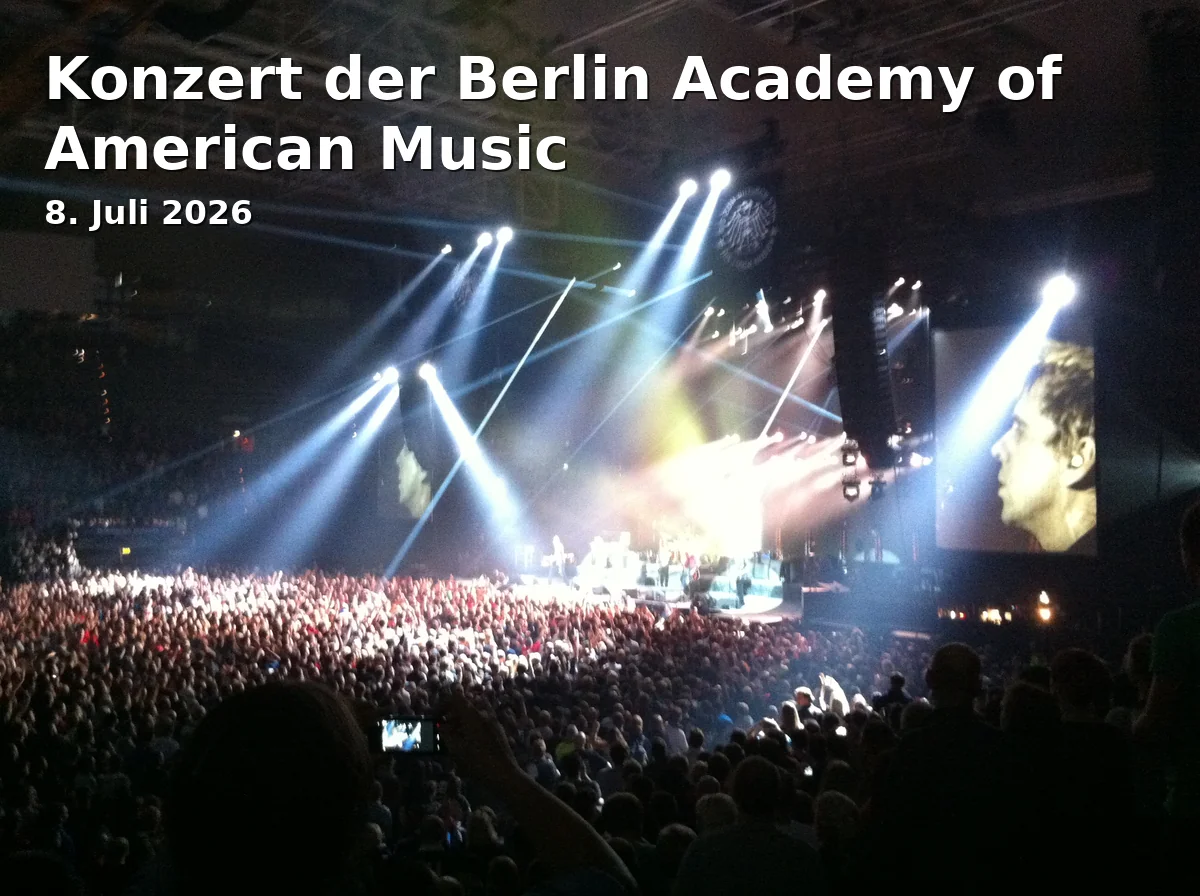
Concert of the Berlin Academy of American Music
Experience a concert with American and modern European repertoire. Free admission!
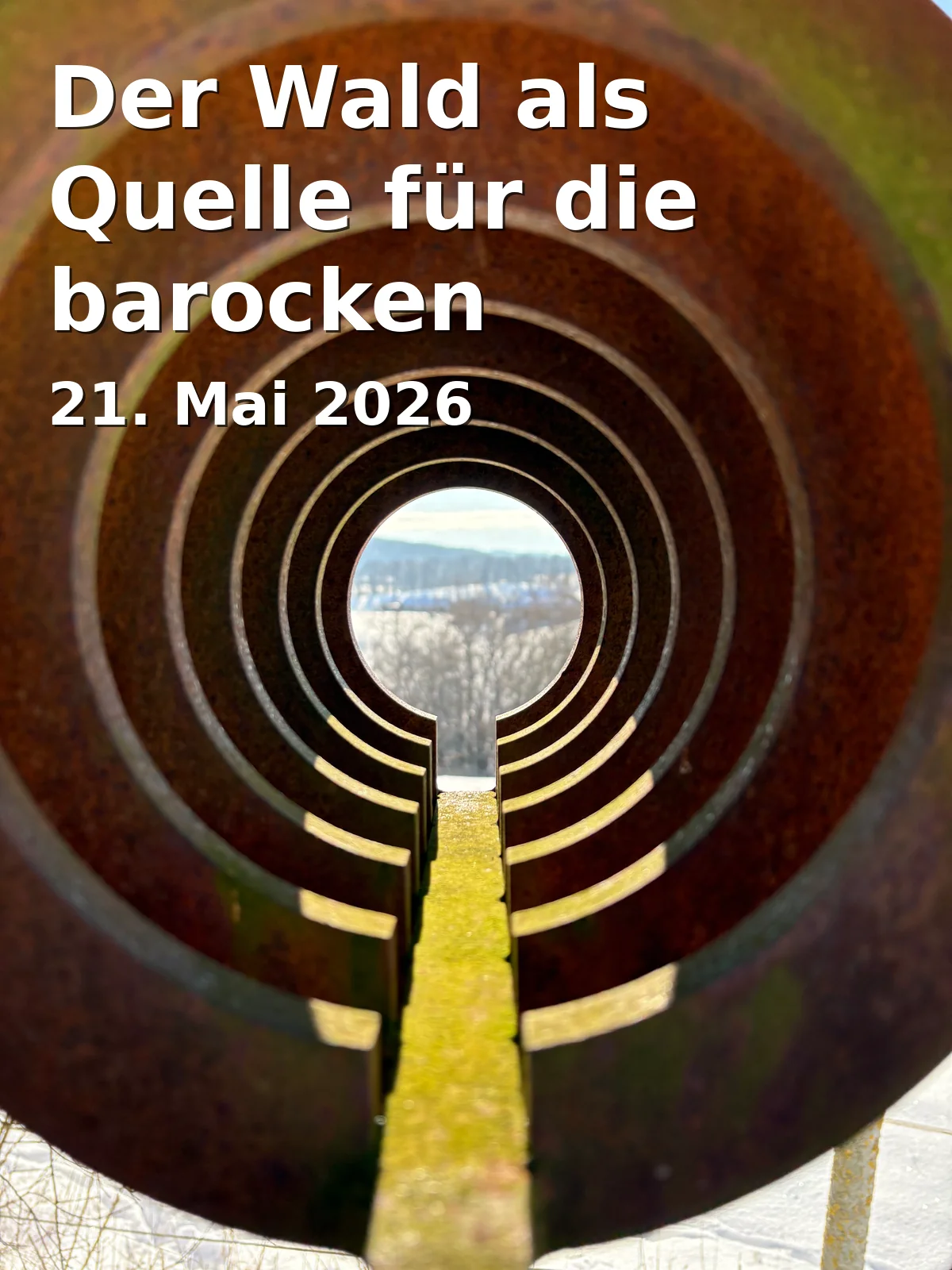
The Forest as a Source for the Baroque Water Games
In the heart of the High Habichtswald lie the sources of the water games. During the hike through the depths of the forest – even off the beaten paths – participants follow the trail of water to the Sichelbach estate, where the water for the water games is stored. Sturdy footwear and some stamina are required; the hike also takes place off the paved paths. in cooperation with the Habichtswald Nature Park • hike with Klaus-Berndt Nickel Adults 7 Euro • Children 5 Euro • Registration and further program at www.naturpark-habichtswald.de Meeting point: Hiking parking lot Essigberg (near the radio mast)
Frequently Asked Questions
Reviews
Leonid Zekhov (Leo)
19. January 2026
An unexpectedly amazing place! A beautiful park, impressive architecture, and a must-see view of the city!
Sidra Rama
28. August 2025
Amazing Park with Castle and lots of walking/hiking paths. You could easily spend days here and still not get tired of it. Unfortunately it seems like the day we went they did not have the water on at the Herkules statue. Shame because otherwise it would have been even more beautiful.
Sakshi Dhankhar
2. October 2025
It was very beautiful place to visit, would highly recommend during summer time when there is waterfall.
Shreya K G
13. May 2025
Beautiful place to visit. During summers there will be activity called wasserspiele which means water runs through from top of kassel and its takes almost 2.5 hrs to reach the down of the castle. You can explore self or you can book the walking tour via their website. Please check the timing in there website for more info. This water activity is available only during summers check there website for more info again.
Ujjwal Joshi
3. May 2025
Really very beautiful park... great spot to go for a walk with your family and friends enjoying the great natural scenic view along with the great view of the castle.. from 1st of May to 3rd of May you'll have a chance to enjoy the water play.. we'll once again visit this spot during this time to enjoy the water play. #familyandfriendspot #hiking #castle