
Kassel
Auedamm 2, 34121 Kassel-Süd, Deutschland
Hessenkampfbahn Kassel | Photos & Opening Hours
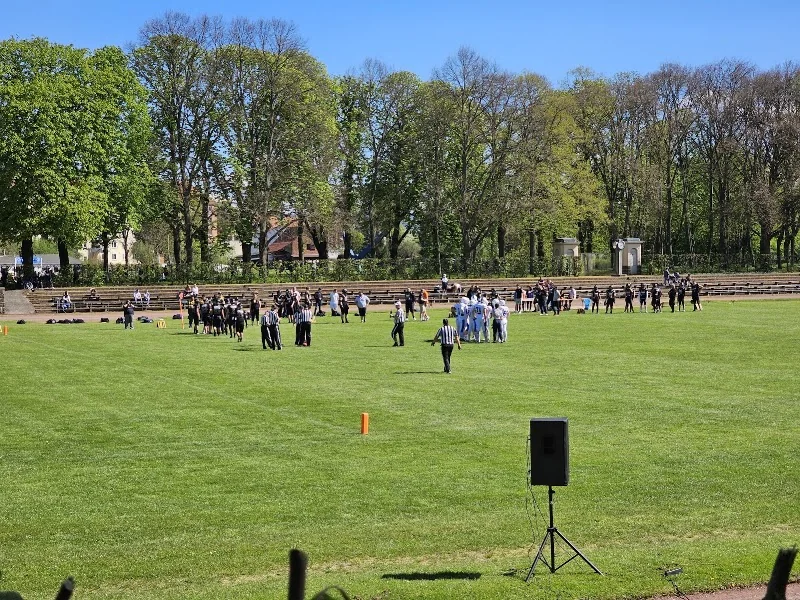
The Hessenkampfbahn Kassel is one of those places where inquiries about photos, opening hours, directions, and parking immediately reveal that people not only want to find an address but also seek a concrete impression of the character of the facility. The sports field in the Südstadt at Auedamm 2 was inaugurated in 1926 and is located north of the Karlsaue, in close proximity to the Orangerie. Thus, the Hessenkampfbahn connects historical sports culture, a central location by the river, and a backdrop that is repeatedly used for events in the summer. Today, it is not only a sports venue but also a place for school and club sports, sports badge offerings, offices of organized sports, and open-air moments that extend far beyond traditional training operations. For visitors looking for the facility, this very mix is crucial: a traditional place with clear urban integration, practical access, and a special atmosphere between green space, water, and city. ([kassel.de](https://www.kassel.de/verzeichnisse/adressverzeichnis/sportstaetten/sportplaetze/sportplatz-hessenkampfbahn.php?utm_source=openai))
Opening Hours, Usage, and Booking of the Hessenkampfbahn
On the official pages of the city of Kassel, the Hessenkampfbahn is not treated like a business with fixed daily opening hours, but as a sports facility with specific usage offerings, dates, and events. This is exactly what is important for many inquiries regarding the keyword “opening hours”: Those who wish to visit the facility should not expect traditional counter hours, but rather a place that is used differently depending on sports operations, training, and events. A good example is the official sports badge and boules offering at the Hessenkampfbahn, which takes place on Mondays from May to the end of September from 5 to 7 PM and is open to all people, including participants with disabilities. This clearly shows that the Hessenkampfbahn is an active movement location and not a static exhibition space. For visitors, this means: The appropriate timing depends on training times, bookings, and event dates, not on a typical store opening model. ([kassel.de](https://www.kassel.de/buerger/familie_und_soziales/senioren/aktiv-bleiben/veranstaltungsprogramm-60plus/sport-fitness-und-gesundheit/sportabzeichen-boule.php))
The institutional integration is also important for today’s usage. The city of Kassel has initiated a long-term leasehold agreement with the state of Hesse in 2026, which aims to secure the future of the listed sports facility. The area remains usable for sports, the city takes care of maintenance, and the Hesse State Sports Federation can continue to maintain its northern office at the Hessenkampfbahn. Additionally, there is the possibility of subletting, allowing the facility to remain flexible for school, club, and event situations. Especially for people looking for opening hours, booking, or spontaneous accessibility, this background is relevant: The Hessenkampfbahn functions as a usage location with various actors, not as an isolated individual facility. Therefore, the search for “opening hours” leads in practice more to specific dates, sports offerings, and events than to a rigid time of day. ([wissenschaft.hessen.de](https://wissenschaft.hessen.de/presse/land-hessen-und-stadt-kassel-einigen-sich-auf-erbbaurechtsvertrag-fuer-hessenkampfbahn))
Directions, Orangerie Stop, and Parking at Auedamm
Getting to the Hessenkampfbahn is relatively easy because the facility is located in a well-connected part of Kassel. The official address is Auedamm 2, 34121 Kassel. The city assigns the Hessenkampfbahn to the Südstadt; it lies north of the Karlsaue and in direct proximity to the Orangerie. For visitors arriving by public transport, the city explicitly mentions the Orangerie stop. This location is a clear advantage as it connects short distances with a very well-known landmark in the cityscape. Those searching for “Hessenkampfbahn Kassel Auedamm 2” or “Hessenkampfbahn Kassel directions” are essentially looking for a central, easily identifiable position between the city center, green space, and the banks of the Fulda. The surroundings of the Orangerie also help with orientation as it is one of the most prominent building and park ensembles in Kassel. ([kassel.de](https://www.kassel.de/verzeichnisse/adressverzeichnis/sportstaetten/sportplaetze/sportplatz-hessenkampfbahn.php?utm_source=openai))
When parking, one should consider the special location in the city center. The Kassel parking fee regulations classify the Auedamm between Marmorbad and Drahtbrücke, including the Hessenkampfbahn parking lot, as part of the central parking fee zone. This means: Those arriving by car are moving in a regulated city center area and should carefully check the respective parking situation. Additional regulations often apply during large events. For the Zissel, the city mentions parking options at the exhibition halls, at the Fuldaaue, at the Leister’sche Wiese, and at the sports center; additionally, temporary disabled parking spaces are set up near the Hessenkampfbahn, which can only be accessed from certain directions. This information is particularly important for inquiries about “parking” and “parking lot.” It shows that while the Hessenkampfbahn is easily accessible, it is particularly part of the city’s traffic concept around Karlsaue, Auedamm, and Fulda during events. ([kassel.de](https://www.kassel.de/satzungen/3.18-parkgebuehrenordnung.php?utm_source=openai))
History of the Hessenkampfbahn since 1926
The history of the Hessenkampfbahn begins in the 1920s and is closely linked to the development of Kassel as a sports city. The city of Kassel cites 1926 as the year of inauguration of the sports field; other historical sources indicate that construction began in 1924 and the facility was opened on May 2, 1926. At the inauguration, the Voraue, which had previously often been used as an exhibition area, was to be transformed into a sports facility, and around 10,000 athletes participated in a festive parade. Such numbers show how strongly the location was already anchored in urban life early on. Thus, the Hessenkampfbahn was from the very beginning not just a simple sports field but a representative site with public impact that bundled gymnastics, athletics, and football at a time when Kassel was repositioning itself in sports. The fact that the city explicitly refers to the 100th anniversary in 2026 underscores this historical significance. ([kassel.de](https://www.kassel.de/verzeichnisse/adressverzeichnis/sportstaetten/sportplaetze/sportplatz-hessenkampfbahn.php?utm_source=openai))
Historically, the Hessenkampfbahn also holds a firm place. Contemporary and later reports indicate that records were set here in the 1920s, including by the Kassel athlete Hermann Walpert and by the 4x100 meter relay of the Karlsruhe FC Phönix. Therefore, the facility was even referred to at times as the “fastest sports field in Germany.” However, the history does not only encompass athletics: According to reports, gymnastics festivals, field handball, and football were also held on the grounds over the decades. Today, this versatility continues in another form, such as through football, school sports, and events. This is exactly what makes the Hessenkampfbahn appealing: it is not a museum ruin but a historical sports location with modern usage. Those searching for “reviews” or “photos” often seek this mix of tradition, usage, and visible history that can still be recognized in the facility today. ([hna.de](https://www.hna.de/kassel/kasseler-sportstaette-wird-100-alles-gute-hessenkampfbahn-die-94251834.html))
Facilities, Track, and Capacity
The official city representation makes the Hessenkampfbahn as a sports facility very tangible. Stands are mentioned as spectator areas, municipal buildings on the premises, and a sports usage area of 10,520 square meters. For play and training operations, there is a grass field as well as several athletic facilities. These include a 5 x 500 meter track, 7 x 100 meter tracks, two long jump facilities, two throwing and shot put facilities, and a high jump facility that is currently not usable. These details are interesting not only for athletes but also for anyone wanting to get an impression of the facility. They show that the Hessenkampfbahn is more of a versatile athletics and football facility than a closed stadium with classic full coverage. Especially for inquiries about “seats,” “seating plan,” or “best seats,” it is important to know that there are primarily standing areas and open sports fields here, providing a different visitor experience than in a modern arena. ([kassel.de](https://www.kassel.de/verzeichnisse/adressverzeichnis/sportstaetten/sportplaetze/sportplatz-hessenkampfbahn.php?utm_source=openai))
There is no prominently stated official number regarding capacity on the city’s website, but several current online directories list the Hessenkampfbahn with around 6,000 seats. This figure fits the described structure of standing areas, grass field, and track and explains why the facility can be used for larger sports and music events without being a large arena in the classical sense. For the practical impression, the combination of manageable size and central location is therefore decisive. The Hessenkampfbahn does not appear as an anonymous stadium on the periphery but as an open, historically significant place in the middle of the city’s greenery. Those searching for “photos” often want to see exactly this architectural appeal: open stands, grass, track, historical surroundings, and proximity to the Orangerie. In summary, a place emerges that is functionally sporty but simultaneously possesses a strong atmosphere. ([footballrs.net](https://footballrs.net/en/arenas/germany/kassel/hessenkampfbahn?utm_source=openai))
Photos, Backdrop, and Location at the Karlsaue
For many users, the Hessenkampfbahn is primarily a search topic because of its location. The city describes it as a place directly on the Fulda and in front of the beautiful backdrop of the Orangerie; at the same time, it is described as the northern boundary of the Karlsaue. The Orangerie itself is located in a 150-hectare park in direct proximity to the Kassel city center. This combination of water, park, and historical architecture explains why photos of the Hessenkampfbahn are so frequently sought: the facility is not only a sports venue but also a photographic motif. The yellow facade of the Orangerie, the wide green space of the Karlsaue, and the proximity to the Fulda create an environment that is typically Kassel in the best sense. Therefore, those wanting to inform themselves before a visit are not only looking for facts but also for an idea of how the place feels. This is exactly where the Hessenkampfbahn unfolds its special strength: it is functional and simultaneously very photogenic. ([kassel.de](https://www.kassel.de/index.php?lang=ar&utm_source=openai))
The current usage also enhances this visual impression. The city of Kassel promotes the city summer in 2026 with open-air concerts at the Hessenkampfbahn and highlights the unique backdrop in the Karlsaue. Such events make it understandable why the facility is often searched online together with terms like photos, open air, Orangerie, or Karlsaue. During events, the open space becomes a stage for light, stage, and audience, while the historical surroundings remain visible in the background. This is a crucial difference from closed halls: here, sky, greenery, and river landscape are part of the perception. Therefore, those searching for images do not only expect a view of the grass field but also the interplay of architecture, park landscape, and event culture. In this respect, the Hessenkampfbahn functions like an open city window, through which Kassel’s sports and summer identity can be particularly well read. ([kassel.de](https://www.kassel.de/stadtsommer?utm_source=openai))
Open-Air Events, Sports Badge, and Current Usage
The present of the Hessenkampfbahn is strongly shaped by events. For 2026, the city of Kassel announces several large open-air evenings at the facility during the city summer: On August 14, the State Orchestra of Kassel will perform at the summer night open air, on August 15, Jazeek will perform, and on August 16, Johannes Oerding will follow. The city’s event calendar also lists the Karlswiese or Hessenkampfbahn as the venue for these concerts. This shows that the facility is already much more than just a sports field. It is a summer place for culture, music, and large public events, where the location by the Fulda and the proximity to the Orangerie are explicitly part of the concept. For inquiries about “events” or “open air,” this is the most important information: the Hessenkampfbahn is actively used and is a fixed component of the Kassel event summer. ([kassel.de](https://www.kassel.de/stadtsommer?utm_source=openai))
At the same time, the sporting use remains vibrant. The facility serves school sports, is home to the Kassel Titans, and offers space for inclusive sports offerings such as sports badge training and boules for people with and without disabilities. The city of Kassel and the Kassel region sports circle thus establish an open, low-threshold movement operation at a traditional location. Additionally, the long-term leasehold agreement aims to secure the future of the listed facility and gives the city the opportunity to continue to use the area sensibly. This very mix of history, movement, and modern event culture makes the Hessenkampfbahn so interesting today. Those searching for reviews, photos, or opening hours ultimately encounter a facility that is public, ambiguous, and lively in the best sense: a sports venue, event location, and part of the cityscape at the same time. ([hna.de](https://www.hna.de/kassel/kasseler-sportstaette-wird-100-alles-gute-hessenkampfbahn-die-94251834.html))
Sources:
Mehr anzeigenWeniger anzeigen
Hessenkampfbahn Kassel | Photos & Opening Hours
The Hessenkampfbahn Kassel is one of those places where inquiries about photos, opening hours, directions, and parking immediately reveal that people not only want to find an address but also seek a concrete impression of the character of the facility. The sports field in the Südstadt at Auedamm 2 was inaugurated in 1926 and is located north of the Karlsaue, in close proximity to the Orangerie. Thus, the Hessenkampfbahn connects historical sports culture, a central location by the river, and a backdrop that is repeatedly used for events in the summer. Today, it is not only a sports venue but also a place for school and club sports, sports badge offerings, offices of organized sports, and open-air moments that extend far beyond traditional training operations. For visitors looking for the facility, this very mix is crucial: a traditional place with clear urban integration, practical access, and a special atmosphere between green space, water, and city. ([kassel.de](https://www.kassel.de/verzeichnisse/adressverzeichnis/sportstaetten/sportplaetze/sportplatz-hessenkampfbahn.php?utm_source=openai))
Opening Hours, Usage, and Booking of the Hessenkampfbahn
On the official pages of the city of Kassel, the Hessenkampfbahn is not treated like a business with fixed daily opening hours, but as a sports facility with specific usage offerings, dates, and events. This is exactly what is important for many inquiries regarding the keyword “opening hours”: Those who wish to visit the facility should not expect traditional counter hours, but rather a place that is used differently depending on sports operations, training, and events. A good example is the official sports badge and boules offering at the Hessenkampfbahn, which takes place on Mondays from May to the end of September from 5 to 7 PM and is open to all people, including participants with disabilities. This clearly shows that the Hessenkampfbahn is an active movement location and not a static exhibition space. For visitors, this means: The appropriate timing depends on training times, bookings, and event dates, not on a typical store opening model. ([kassel.de](https://www.kassel.de/buerger/familie_und_soziales/senioren/aktiv-bleiben/veranstaltungsprogramm-60plus/sport-fitness-und-gesundheit/sportabzeichen-boule.php))
The institutional integration is also important for today’s usage. The city of Kassel has initiated a long-term leasehold agreement with the state of Hesse in 2026, which aims to secure the future of the listed sports facility. The area remains usable for sports, the city takes care of maintenance, and the Hesse State Sports Federation can continue to maintain its northern office at the Hessenkampfbahn. Additionally, there is the possibility of subletting, allowing the facility to remain flexible for school, club, and event situations. Especially for people looking for opening hours, booking, or spontaneous accessibility, this background is relevant: The Hessenkampfbahn functions as a usage location with various actors, not as an isolated individual facility. Therefore, the search for “opening hours” leads in practice more to specific dates, sports offerings, and events than to a rigid time of day. ([wissenschaft.hessen.de](https://wissenschaft.hessen.de/presse/land-hessen-und-stadt-kassel-einigen-sich-auf-erbbaurechtsvertrag-fuer-hessenkampfbahn))
Directions, Orangerie Stop, and Parking at Auedamm
Getting to the Hessenkampfbahn is relatively easy because the facility is located in a well-connected part of Kassel. The official address is Auedamm 2, 34121 Kassel. The city assigns the Hessenkampfbahn to the Südstadt; it lies north of the Karlsaue and in direct proximity to the Orangerie. For visitors arriving by public transport, the city explicitly mentions the Orangerie stop. This location is a clear advantage as it connects short distances with a very well-known landmark in the cityscape. Those searching for “Hessenkampfbahn Kassel Auedamm 2” or “Hessenkampfbahn Kassel directions” are essentially looking for a central, easily identifiable position between the city center, green space, and the banks of the Fulda. The surroundings of the Orangerie also help with orientation as it is one of the most prominent building and park ensembles in Kassel. ([kassel.de](https://www.kassel.de/verzeichnisse/adressverzeichnis/sportstaetten/sportplaetze/sportplatz-hessenkampfbahn.php?utm_source=openai))
When parking, one should consider the special location in the city center. The Kassel parking fee regulations classify the Auedamm between Marmorbad and Drahtbrücke, including the Hessenkampfbahn parking lot, as part of the central parking fee zone. This means: Those arriving by car are moving in a regulated city center area and should carefully check the respective parking situation. Additional regulations often apply during large events. For the Zissel, the city mentions parking options at the exhibition halls, at the Fuldaaue, at the Leister’sche Wiese, and at the sports center; additionally, temporary disabled parking spaces are set up near the Hessenkampfbahn, which can only be accessed from certain directions. This information is particularly important for inquiries about “parking” and “parking lot.” It shows that while the Hessenkampfbahn is easily accessible, it is particularly part of the city’s traffic concept around Karlsaue, Auedamm, and Fulda during events. ([kassel.de](https://www.kassel.de/satzungen/3.18-parkgebuehrenordnung.php?utm_source=openai))
History of the Hessenkampfbahn since 1926
The history of the Hessenkampfbahn begins in the 1920s and is closely linked to the development of Kassel as a sports city. The city of Kassel cites 1926 as the year of inauguration of the sports field; other historical sources indicate that construction began in 1924 and the facility was opened on May 2, 1926. At the inauguration, the Voraue, which had previously often been used as an exhibition area, was to be transformed into a sports facility, and around 10,000 athletes participated in a festive parade. Such numbers show how strongly the location was already anchored in urban life early on. Thus, the Hessenkampfbahn was from the very beginning not just a simple sports field but a representative site with public impact that bundled gymnastics, athletics, and football at a time when Kassel was repositioning itself in sports. The fact that the city explicitly refers to the 100th anniversary in 2026 underscores this historical significance. ([kassel.de](https://www.kassel.de/verzeichnisse/adressverzeichnis/sportstaetten/sportplaetze/sportplatz-hessenkampfbahn.php?utm_source=openai))
Historically, the Hessenkampfbahn also holds a firm place. Contemporary and later reports indicate that records were set here in the 1920s, including by the Kassel athlete Hermann Walpert and by the 4x100 meter relay of the Karlsruhe FC Phönix. Therefore, the facility was even referred to at times as the “fastest sports field in Germany.” However, the history does not only encompass athletics: According to reports, gymnastics festivals, field handball, and football were also held on the grounds over the decades. Today, this versatility continues in another form, such as through football, school sports, and events. This is exactly what makes the Hessenkampfbahn appealing: it is not a museum ruin but a historical sports location with modern usage. Those searching for “reviews” or “photos” often seek this mix of tradition, usage, and visible history that can still be recognized in the facility today. ([hna.de](https://www.hna.de/kassel/kasseler-sportstaette-wird-100-alles-gute-hessenkampfbahn-die-94251834.html))
Facilities, Track, and Capacity
The official city representation makes the Hessenkampfbahn as a sports facility very tangible. Stands are mentioned as spectator areas, municipal buildings on the premises, and a sports usage area of 10,520 square meters. For play and training operations, there is a grass field as well as several athletic facilities. These include a 5 x 500 meter track, 7 x 100 meter tracks, two long jump facilities, two throwing and shot put facilities, and a high jump facility that is currently not usable. These details are interesting not only for athletes but also for anyone wanting to get an impression of the facility. They show that the Hessenkampfbahn is more of a versatile athletics and football facility than a closed stadium with classic full coverage. Especially for inquiries about “seats,” “seating plan,” or “best seats,” it is important to know that there are primarily standing areas and open sports fields here, providing a different visitor experience than in a modern arena. ([kassel.de](https://www.kassel.de/verzeichnisse/adressverzeichnis/sportstaetten/sportplaetze/sportplatz-hessenkampfbahn.php?utm_source=openai))
There is no prominently stated official number regarding capacity on the city’s website, but several current online directories list the Hessenkampfbahn with around 6,000 seats. This figure fits the described structure of standing areas, grass field, and track and explains why the facility can be used for larger sports and music events without being a large arena in the classical sense. For the practical impression, the combination of manageable size and central location is therefore decisive. The Hessenkampfbahn does not appear as an anonymous stadium on the periphery but as an open, historically significant place in the middle of the city’s greenery. Those searching for “photos” often want to see exactly this architectural appeal: open stands, grass, track, historical surroundings, and proximity to the Orangerie. In summary, a place emerges that is functionally sporty but simultaneously possesses a strong atmosphere. ([footballrs.net](https://footballrs.net/en/arenas/germany/kassel/hessenkampfbahn?utm_source=openai))
Photos, Backdrop, and Location at the Karlsaue
For many users, the Hessenkampfbahn is primarily a search topic because of its location. The city describes it as a place directly on the Fulda and in front of the beautiful backdrop of the Orangerie; at the same time, it is described as the northern boundary of the Karlsaue. The Orangerie itself is located in a 150-hectare park in direct proximity to the Kassel city center. This combination of water, park, and historical architecture explains why photos of the Hessenkampfbahn are so frequently sought: the facility is not only a sports venue but also a photographic motif. The yellow facade of the Orangerie, the wide green space of the Karlsaue, and the proximity to the Fulda create an environment that is typically Kassel in the best sense. Therefore, those wanting to inform themselves before a visit are not only looking for facts but also for an idea of how the place feels. This is exactly where the Hessenkampfbahn unfolds its special strength: it is functional and simultaneously very photogenic. ([kassel.de](https://www.kassel.de/index.php?lang=ar&utm_source=openai))
The current usage also enhances this visual impression. The city of Kassel promotes the city summer in 2026 with open-air concerts at the Hessenkampfbahn and highlights the unique backdrop in the Karlsaue. Such events make it understandable why the facility is often searched online together with terms like photos, open air, Orangerie, or Karlsaue. During events, the open space becomes a stage for light, stage, and audience, while the historical surroundings remain visible in the background. This is a crucial difference from closed halls: here, sky, greenery, and river landscape are part of the perception. Therefore, those searching for images do not only expect a view of the grass field but also the interplay of architecture, park landscape, and event culture. In this respect, the Hessenkampfbahn functions like an open city window, through which Kassel’s sports and summer identity can be particularly well read. ([kassel.de](https://www.kassel.de/stadtsommer?utm_source=openai))
Open-Air Events, Sports Badge, and Current Usage
The present of the Hessenkampfbahn is strongly shaped by events. For 2026, the city of Kassel announces several large open-air evenings at the facility during the city summer: On August 14, the State Orchestra of Kassel will perform at the summer night open air, on August 15, Jazeek will perform, and on August 16, Johannes Oerding will follow. The city’s event calendar also lists the Karlswiese or Hessenkampfbahn as the venue for these concerts. This shows that the facility is already much more than just a sports field. It is a summer place for culture, music, and large public events, where the location by the Fulda and the proximity to the Orangerie are explicitly part of the concept. For inquiries about “events” or “open air,” this is the most important information: the Hessenkampfbahn is actively used and is a fixed component of the Kassel event summer. ([kassel.de](https://www.kassel.de/stadtsommer?utm_source=openai))
At the same time, the sporting use remains vibrant. The facility serves school sports, is home to the Kassel Titans, and offers space for inclusive sports offerings such as sports badge training and boules for people with and without disabilities. The city of Kassel and the Kassel region sports circle thus establish an open, low-threshold movement operation at a traditional location. Additionally, the long-term leasehold agreement aims to secure the future of the listed facility and gives the city the opportunity to continue to use the area sensibly. This very mix of history, movement, and modern event culture makes the Hessenkampfbahn so interesting today. Those searching for reviews, photos, or opening hours ultimately encounter a facility that is public, ambiguous, and lively in the best sense: a sports venue, event location, and part of the cityscape at the same time. ([hna.de](https://www.hna.de/kassel/kasseler-sportstaette-wird-100-alles-gute-hessenkampfbahn-die-94251834.html))
Sources:
Hessenkampfbahn Kassel | Photos & Opening Hours
The Hessenkampfbahn Kassel is one of those places where inquiries about photos, opening hours, directions, and parking immediately reveal that people not only want to find an address but also seek a concrete impression of the character of the facility. The sports field in the Südstadt at Auedamm 2 was inaugurated in 1926 and is located north of the Karlsaue, in close proximity to the Orangerie. Thus, the Hessenkampfbahn connects historical sports culture, a central location by the river, and a backdrop that is repeatedly used for events in the summer. Today, it is not only a sports venue but also a place for school and club sports, sports badge offerings, offices of organized sports, and open-air moments that extend far beyond traditional training operations. For visitors looking for the facility, this very mix is crucial: a traditional place with clear urban integration, practical access, and a special atmosphere between green space, water, and city. ([kassel.de](https://www.kassel.de/verzeichnisse/adressverzeichnis/sportstaetten/sportplaetze/sportplatz-hessenkampfbahn.php?utm_source=openai))
Opening Hours, Usage, and Booking of the Hessenkampfbahn
On the official pages of the city of Kassel, the Hessenkampfbahn is not treated like a business with fixed daily opening hours, but as a sports facility with specific usage offerings, dates, and events. This is exactly what is important for many inquiries regarding the keyword “opening hours”: Those who wish to visit the facility should not expect traditional counter hours, but rather a place that is used differently depending on sports operations, training, and events. A good example is the official sports badge and boules offering at the Hessenkampfbahn, which takes place on Mondays from May to the end of September from 5 to 7 PM and is open to all people, including participants with disabilities. This clearly shows that the Hessenkampfbahn is an active movement location and not a static exhibition space. For visitors, this means: The appropriate timing depends on training times, bookings, and event dates, not on a typical store opening model. ([kassel.de](https://www.kassel.de/buerger/familie_und_soziales/senioren/aktiv-bleiben/veranstaltungsprogramm-60plus/sport-fitness-und-gesundheit/sportabzeichen-boule.php))
The institutional integration is also important for today’s usage. The city of Kassel has initiated a long-term leasehold agreement with the state of Hesse in 2026, which aims to secure the future of the listed sports facility. The area remains usable for sports, the city takes care of maintenance, and the Hesse State Sports Federation can continue to maintain its northern office at the Hessenkampfbahn. Additionally, there is the possibility of subletting, allowing the facility to remain flexible for school, club, and event situations. Especially for people looking for opening hours, booking, or spontaneous accessibility, this background is relevant: The Hessenkampfbahn functions as a usage location with various actors, not as an isolated individual facility. Therefore, the search for “opening hours” leads in practice more to specific dates, sports offerings, and events than to a rigid time of day. ([wissenschaft.hessen.de](https://wissenschaft.hessen.de/presse/land-hessen-und-stadt-kassel-einigen-sich-auf-erbbaurechtsvertrag-fuer-hessenkampfbahn))
Directions, Orangerie Stop, and Parking at Auedamm
Getting to the Hessenkampfbahn is relatively easy because the facility is located in a well-connected part of Kassel. The official address is Auedamm 2, 34121 Kassel. The city assigns the Hessenkampfbahn to the Südstadt; it lies north of the Karlsaue and in direct proximity to the Orangerie. For visitors arriving by public transport, the city explicitly mentions the Orangerie stop. This location is a clear advantage as it connects short distances with a very well-known landmark in the cityscape. Those searching for “Hessenkampfbahn Kassel Auedamm 2” or “Hessenkampfbahn Kassel directions” are essentially looking for a central, easily identifiable position between the city center, green space, and the banks of the Fulda. The surroundings of the Orangerie also help with orientation as it is one of the most prominent building and park ensembles in Kassel. ([kassel.de](https://www.kassel.de/verzeichnisse/adressverzeichnis/sportstaetten/sportplaetze/sportplatz-hessenkampfbahn.php?utm_source=openai))
When parking, one should consider the special location in the city center. The Kassel parking fee regulations classify the Auedamm between Marmorbad and Drahtbrücke, including the Hessenkampfbahn parking lot, as part of the central parking fee zone. This means: Those arriving by car are moving in a regulated city center area and should carefully check the respective parking situation. Additional regulations often apply during large events. For the Zissel, the city mentions parking options at the exhibition halls, at the Fuldaaue, at the Leister’sche Wiese, and at the sports center; additionally, temporary disabled parking spaces are set up near the Hessenkampfbahn, which can only be accessed from certain directions. This information is particularly important for inquiries about “parking” and “parking lot.” It shows that while the Hessenkampfbahn is easily accessible, it is particularly part of the city’s traffic concept around Karlsaue, Auedamm, and Fulda during events. ([kassel.de](https://www.kassel.de/satzungen/3.18-parkgebuehrenordnung.php?utm_source=openai))
History of the Hessenkampfbahn since 1926
The history of the Hessenkampfbahn begins in the 1920s and is closely linked to the development of Kassel as a sports city. The city of Kassel cites 1926 as the year of inauguration of the sports field; other historical sources indicate that construction began in 1924 and the facility was opened on May 2, 1926. At the inauguration, the Voraue, which had previously often been used as an exhibition area, was to be transformed into a sports facility, and around 10,000 athletes participated in a festive parade. Such numbers show how strongly the location was already anchored in urban life early on. Thus, the Hessenkampfbahn was from the very beginning not just a simple sports field but a representative site with public impact that bundled gymnastics, athletics, and football at a time when Kassel was repositioning itself in sports. The fact that the city explicitly refers to the 100th anniversary in 2026 underscores this historical significance. ([kassel.de](https://www.kassel.de/verzeichnisse/adressverzeichnis/sportstaetten/sportplaetze/sportplatz-hessenkampfbahn.php?utm_source=openai))
Historically, the Hessenkampfbahn also holds a firm place. Contemporary and later reports indicate that records were set here in the 1920s, including by the Kassel athlete Hermann Walpert and by the 4x100 meter relay of the Karlsruhe FC Phönix. Therefore, the facility was even referred to at times as the “fastest sports field in Germany.” However, the history does not only encompass athletics: According to reports, gymnastics festivals, field handball, and football were also held on the grounds over the decades. Today, this versatility continues in another form, such as through football, school sports, and events. This is exactly what makes the Hessenkampfbahn appealing: it is not a museum ruin but a historical sports location with modern usage. Those searching for “reviews” or “photos” often seek this mix of tradition, usage, and visible history that can still be recognized in the facility today. ([hna.de](https://www.hna.de/kassel/kasseler-sportstaette-wird-100-alles-gute-hessenkampfbahn-die-94251834.html))
Facilities, Track, and Capacity
The official city representation makes the Hessenkampfbahn as a sports facility very tangible. Stands are mentioned as spectator areas, municipal buildings on the premises, and a sports usage area of 10,520 square meters. For play and training operations, there is a grass field as well as several athletic facilities. These include a 5 x 500 meter track, 7 x 100 meter tracks, two long jump facilities, two throwing and shot put facilities, and a high jump facility that is currently not usable. These details are interesting not only for athletes but also for anyone wanting to get an impression of the facility. They show that the Hessenkampfbahn is more of a versatile athletics and football facility than a closed stadium with classic full coverage. Especially for inquiries about “seats,” “seating plan,” or “best seats,” it is important to know that there are primarily standing areas and open sports fields here, providing a different visitor experience than in a modern arena. ([kassel.de](https://www.kassel.de/verzeichnisse/adressverzeichnis/sportstaetten/sportplaetze/sportplatz-hessenkampfbahn.php?utm_source=openai))
There is no prominently stated official number regarding capacity on the city’s website, but several current online directories list the Hessenkampfbahn with around 6,000 seats. This figure fits the described structure of standing areas, grass field, and track and explains why the facility can be used for larger sports and music events without being a large arena in the classical sense. For the practical impression, the combination of manageable size and central location is therefore decisive. The Hessenkampfbahn does not appear as an anonymous stadium on the periphery but as an open, historically significant place in the middle of the city’s greenery. Those searching for “photos” often want to see exactly this architectural appeal: open stands, grass, track, historical surroundings, and proximity to the Orangerie. In summary, a place emerges that is functionally sporty but simultaneously possesses a strong atmosphere. ([footballrs.net](https://footballrs.net/en/arenas/germany/kassel/hessenkampfbahn?utm_source=openai))
Photos, Backdrop, and Location at the Karlsaue
For many users, the Hessenkampfbahn is primarily a search topic because of its location. The city describes it as a place directly on the Fulda and in front of the beautiful backdrop of the Orangerie; at the same time, it is described as the northern boundary of the Karlsaue. The Orangerie itself is located in a 150-hectare park in direct proximity to the Kassel city center. This combination of water, park, and historical architecture explains why photos of the Hessenkampfbahn are so frequently sought: the facility is not only a sports venue but also a photographic motif. The yellow facade of the Orangerie, the wide green space of the Karlsaue, and the proximity to the Fulda create an environment that is typically Kassel in the best sense. Therefore, those wanting to inform themselves before a visit are not only looking for facts but also for an idea of how the place feels. This is exactly where the Hessenkampfbahn unfolds its special strength: it is functional and simultaneously very photogenic. ([kassel.de](https://www.kassel.de/index.php?lang=ar&utm_source=openai))
The current usage also enhances this visual impression. The city of Kassel promotes the city summer in 2026 with open-air concerts at the Hessenkampfbahn and highlights the unique backdrop in the Karlsaue. Such events make it understandable why the facility is often searched online together with terms like photos, open air, Orangerie, or Karlsaue. During events, the open space becomes a stage for light, stage, and audience, while the historical surroundings remain visible in the background. This is a crucial difference from closed halls: here, sky, greenery, and river landscape are part of the perception. Therefore, those searching for images do not only expect a view of the grass field but also the interplay of architecture, park landscape, and event culture. In this respect, the Hessenkampfbahn functions like an open city window, through which Kassel’s sports and summer identity can be particularly well read. ([kassel.de](https://www.kassel.de/stadtsommer?utm_source=openai))
Open-Air Events, Sports Badge, and Current Usage
The present of the Hessenkampfbahn is strongly shaped by events. For 2026, the city of Kassel announces several large open-air evenings at the facility during the city summer: On August 14, the State Orchestra of Kassel will perform at the summer night open air, on August 15, Jazeek will perform, and on August 16, Johannes Oerding will follow. The city’s event calendar also lists the Karlswiese or Hessenkampfbahn as the venue for these concerts. This shows that the facility is already much more than just a sports field. It is a summer place for culture, music, and large public events, where the location by the Fulda and the proximity to the Orangerie are explicitly part of the concept. For inquiries about “events” or “open air,” this is the most important information: the Hessenkampfbahn is actively used and is a fixed component of the Kassel event summer. ([kassel.de](https://www.kassel.de/stadtsommer?utm_source=openai))
At the same time, the sporting use remains vibrant. The facility serves school sports, is home to the Kassel Titans, and offers space for inclusive sports offerings such as sports badge training and boules for people with and without disabilities. The city of Kassel and the Kassel region sports circle thus establish an open, low-threshold movement operation at a traditional location. Additionally, the long-term leasehold agreement aims to secure the future of the listed facility and gives the city the opportunity to continue to use the area sensibly. This very mix of history, movement, and modern event culture makes the Hessenkampfbahn so interesting today. Those searching for reviews, photos, or opening hours ultimately encounter a facility that is public, ambiguous, and lively in the best sense: a sports venue, event location, and part of the cityscape at the same time. ([hna.de](https://www.hna.de/kassel/kasseler-sportstaette-wird-100-alles-gute-hessenkampfbahn-die-94251834.html))
Sources:
Upcoming Events
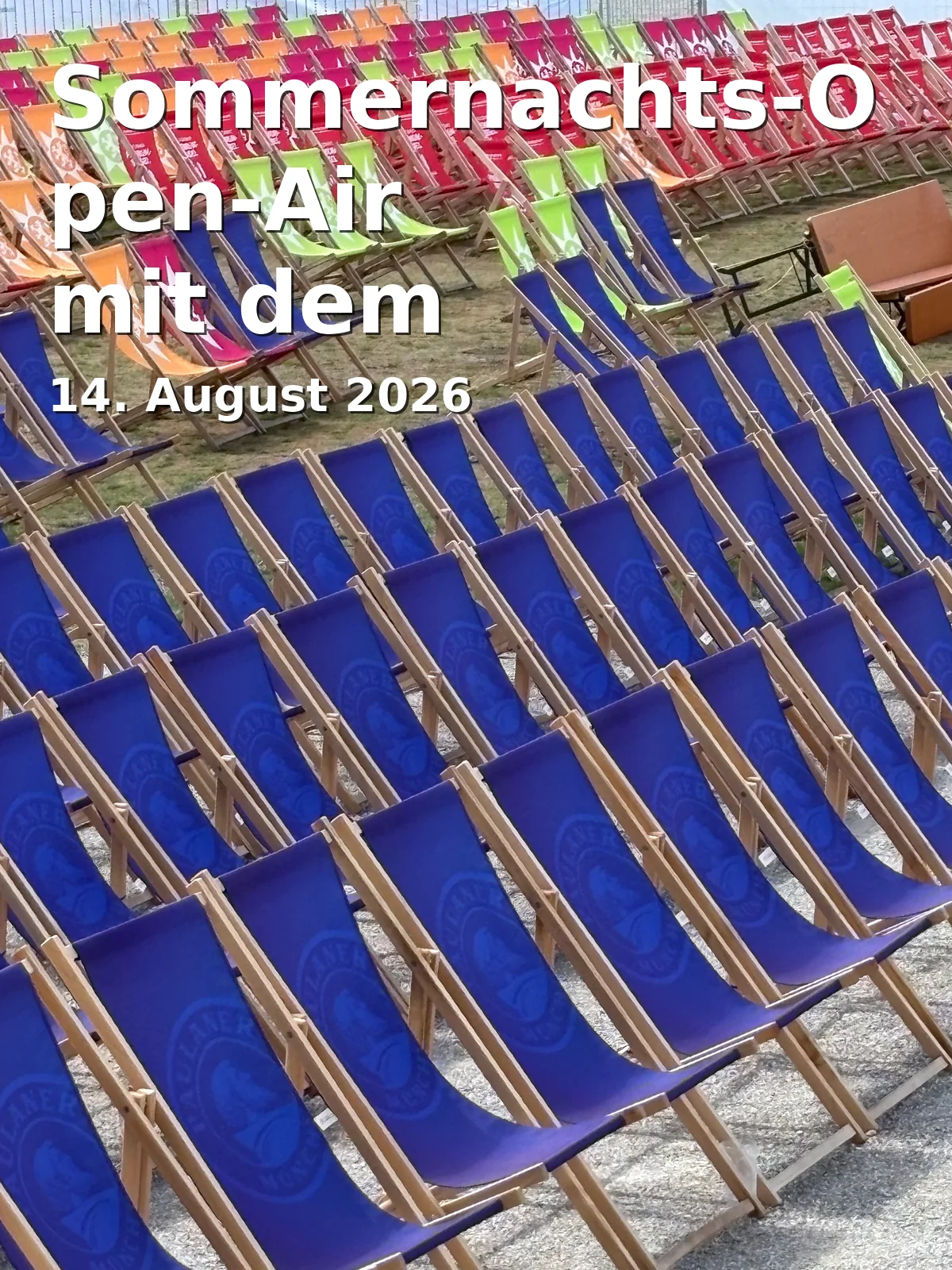
Summer Night Open Air with the State Orchestra Kassel
Experience a magical open-air concert in Kassel with the State Orchestra. Free admission, right on Karlswiese.
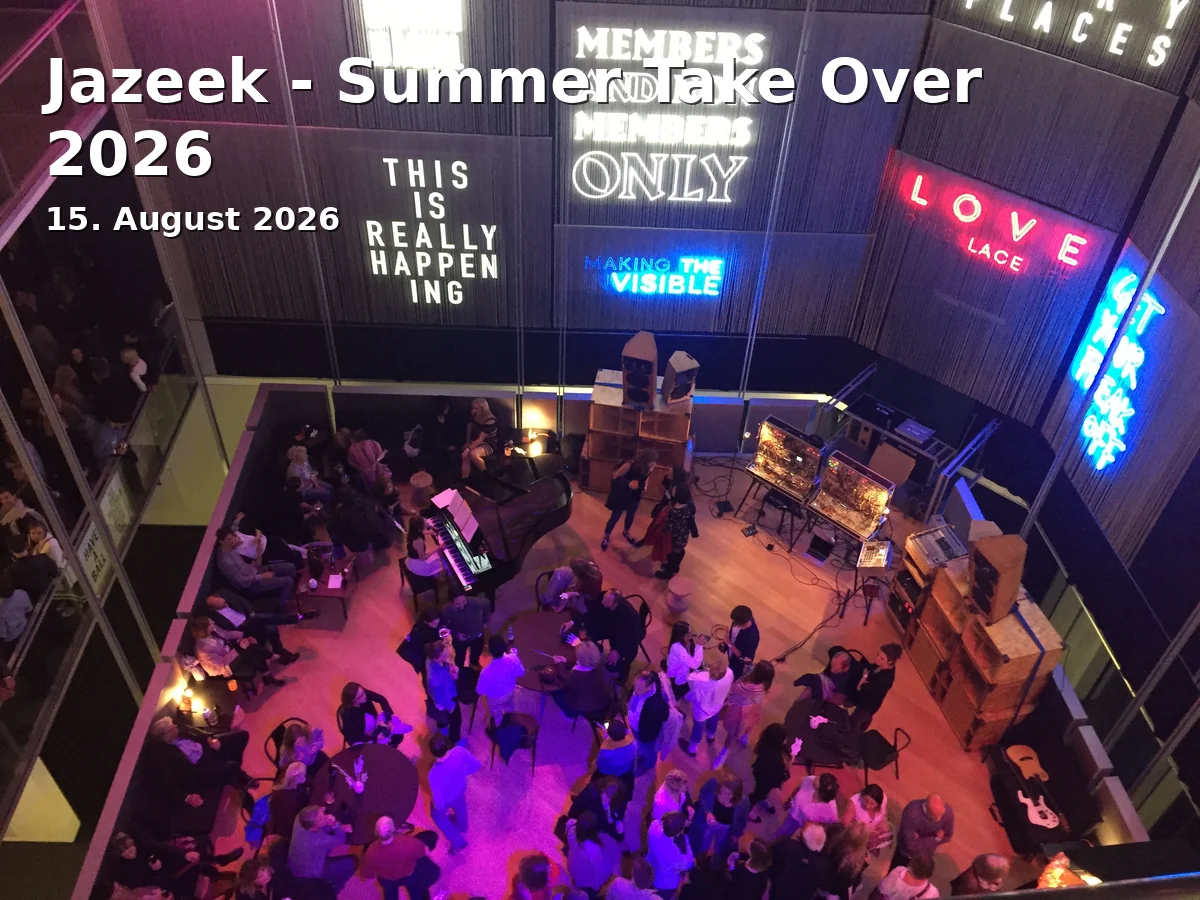
Jazeek - Summer Take Over 2026
Don't miss Jazeek's captivating concert on August 15, 2026, on the Karlswiese in Kassel. A highlight of the summer!
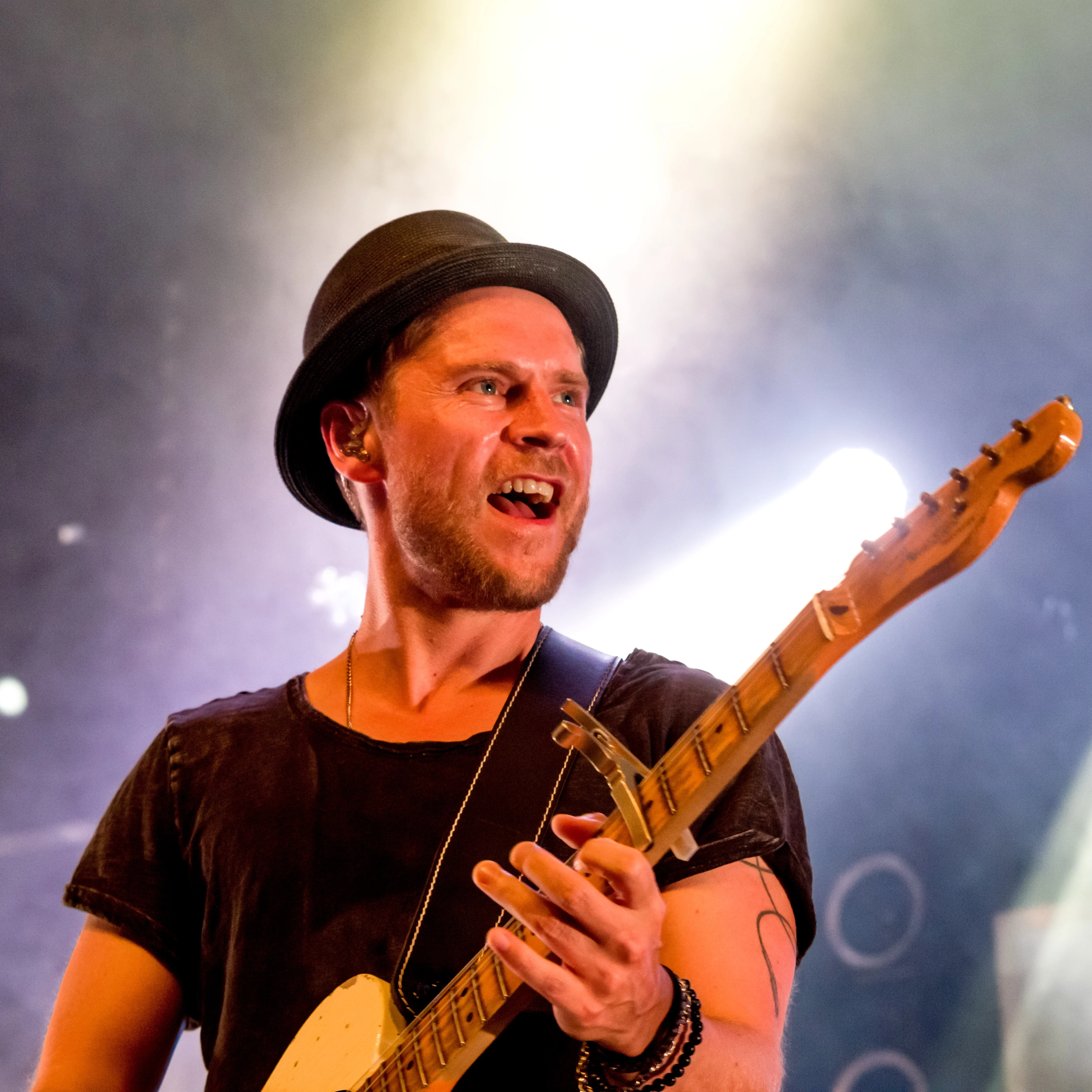
Johannes Oerding - Summer Open Airs 2026
Enjoy the greatest hits of Johannes Oerding at an open-air concert in Kassel on August 16, 2026.
Frequently Asked Questions
Reviews
Mark König-Philipp
19. March 2017
Centrally located sports field that is mostly used for school sports due to its age. In addition to football, athletics can also be practiced here.
Luc573
17. May 2025
Completely outdated facility. The operator is unfriendly.
Pat Siebenachtzig
5. June 2017
Beautifully located in the Karlsaue. The football games of the Kassel Titans are great. Simply wonderful.
MarL L
5. July 2018
Old, atmospheric, and a fun place to play sports with kids.
gfrikj
24. October 2019
Nice facility with very old, dilapidated seats and buildings.