
Kraan
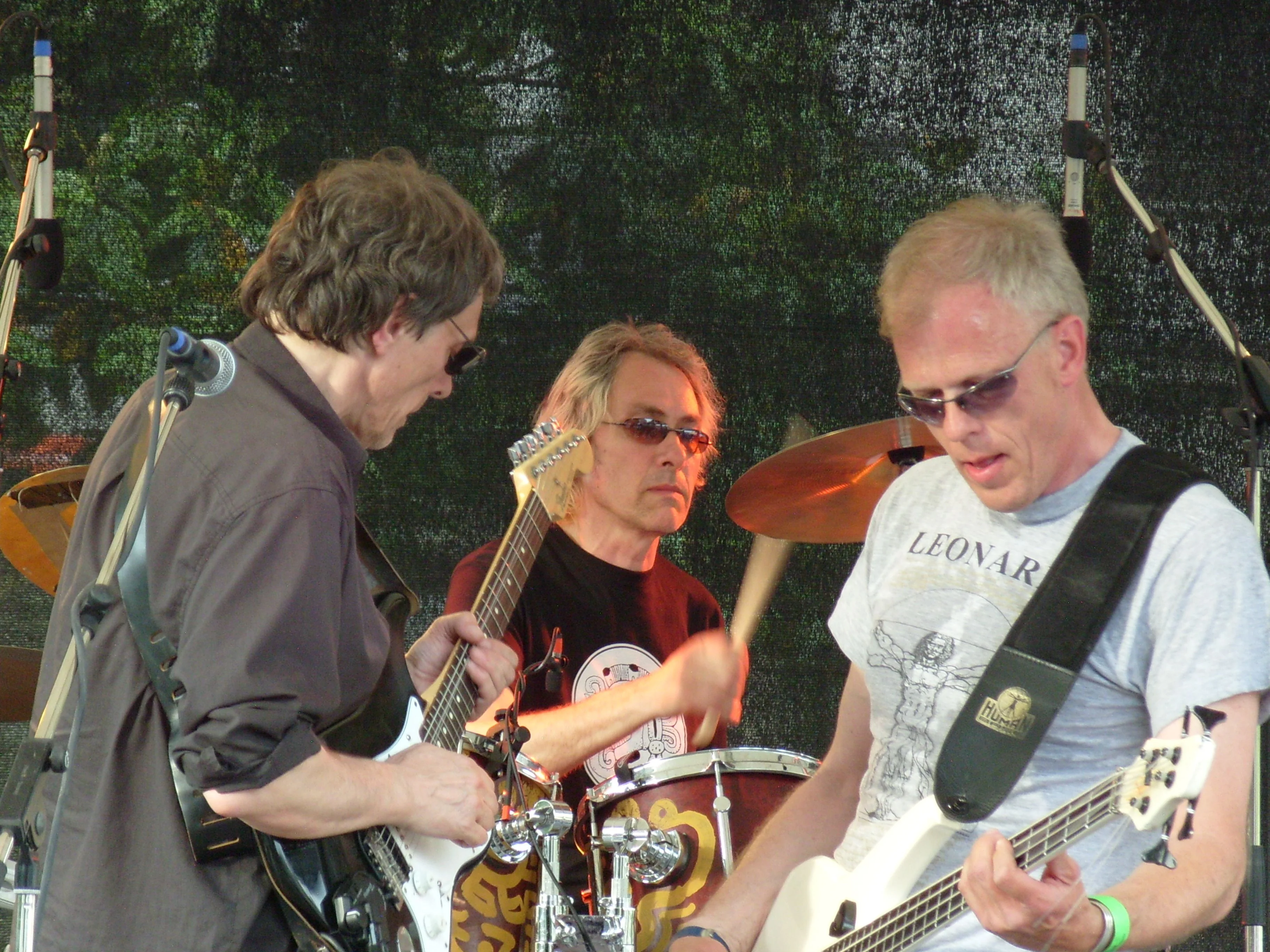
Image from Wikipedia
Image from Wikipedia
Kraan: The Architects of German Jazzrock Between Groove, Freedom, and Experimentation
A band that has expanded German rock with elegance, power, and cosmic lightness since 1970
Kraan is one of the defining formations in the history of German jazzrock and Krautrock. The band was formed in 1970 in Ulm and quickly developed a distinct, instantly recognizable sound that combined rock energy with jazz harmony, funk groove, and oriental-sounding tonal colors. To this day, the name Kraan stands for musical independence, instrumental finesse, and a stage presence that has fascinated generations of listeners. ([de.wikipedia.org](https://de.wikipedia.org/wiki/Kraan))
The Beginnings in Ulm: From Experimental Passion to An Institution
The story of Kraan doesn't begin with a calculated career plan, but with a passionate quest for a new sound. Peter Wolbrandt, Hellmut Hattler, and Jan Fride were already playing in various formations at the end of the 1960s and formed in 1970 in Ulm that band which soon broke away from conventional genre boundaries. Kraan evolved from the predecessor group Inzest, after the musicians merged their different interests into a common concept: hard beats, jazzy runs, and an open approach to stylistic devices. This early phase laid the foundation for a musical career characterized by curiosity, virtuosity, and continuous development. ([de.wikipedia.org](https://de.wikipedia.org/wiki/Kraan))
Particularly characteristic, even in the early days, was the interplay of rock and jazz, which did not come across as a mere mix, but as an independent language. Kraan rehearsed and worked in an environment that allowed for much freedom, and they used early performance opportunities to sharpen their style. The sound was open, rhythmically agile, and at the same time melodically distinct. It was precisely this signature that made the band so unmistakable in the German music scene. ([de.wikipedia.org](https://de.wikipedia.org/wiki/Kraan))
The Breakthrough: Krautrock, Fusion, and a Sound with Recognition Value
In the 1970s, Kraan developed the blend that secured them a permanent place in German rock history. Initially classified as Krautrock, the band later leaned more towards the fusion genre, while never adhering to either world schematically, instead creatively merging them. Their early releases and performances showcased a band that combined composition, improvisation, and collective interplay at a high level. The fact that Kraan could score several minor successes in the 1970s and 1980s underscores their lasting resonance far beyond the scene. ([en.wikipedia.org](https://en.wikipedia.org/wiki/Kraan))
The lineup with Peter Wolbrandt on guitar, Hellmut Hattler on bass, and Jan Fride on drums formed the creative center for decades. This core trio was sometimes complemented by influential musicians such as Johannes Pappert, Ingo Bischof, Udo Dahmen, and Joo Kraus. This openness to changing lineups helped the band to expand their own cosmos without losing their core identity. Kraan never became a mere nostalgia act but rather a band that has constantly redefined its artistic development. ([de.wikipedia.org](https://de.wikipedia.org/wiki/Kraan))
Discography: From Early Classics to Late Chapters
The discography of Kraan is an impressive document of German music history. Their studio albums include Kraan (1972), Wintrup (1973), Andy Nogger (1974), Let It Out (1975), Wiederhören (1977), Flyday (1978), Nachtfahrt (1982), Dancing in the Shade (1989), Soul of Stone (1991), Through (2003), Psychedelic Man (2007), Diamonds (2010), Sandglass (2020), Zoup (2023), Aladin Tapes (2025) and All In (2026). In addition, there are important live albums such as Kraan Live, Tournee, Kraan Live 88, Live 2001, The Trio Years, and The Trio Years - Zugabe!. ([en.wikipedia.org](https://en.wikipedia.org/wiki/Kraan))
Particularly the recent releases demonstrate how consistently the band has evolved their language. Zoup was released in 2023, Aladin Tapes in 2025, and All In on April 17, 2026; the album was produced by the band and released by 36music. The latest release combines new compositions with the typical Kraan feeling of bouncing rhythms, melodic clarity, and instrumental interaction. That such a traditionally rooted ensemble still sounds fresh and contemporary is one of the strongest arguments for their ongoing relevance. ([en.wikipedia.org](https://en.wikipedia.org/wiki/Kraan))
Musical Development: Between Jazz, Rock, Funk, and a Subtle Oriental Coloration
Kraan represents a musical language that has never been forced into a single category. The band's sound thrives on precise timing, subtle changes in dynamics, melodic bass lines, and guitar work that is not just about effects but also about compositional thinking. In the early phase, oriental and Asian influences shaped the profile, while later on fusion, funk, and progressive structures came to the forefront. This blend made Kraan a band whose compositions are both accessible and challenging. ([de.wikipedia.org](https://de.wikipedia.org/wiki/Kraan))
Recent reviews of All In highlight how confidently Kraan applies their virtuosity today. The tight interplay, mature calmness, and ability to incorporate new colors into their own cosmos without diluting their identity have been praised. It is particularly emphasized that Martin Kasper as a keyboardist enhances and expands the sound on stage and in the studio. This showcases a band that does not view their artistic development as a retrospective but rather as a vibrant present. ([music-on-net.de](https://music-on-net.de/kraan-all-in-2026-album-rezension/))
Stage Presence and Cultural Influence: Why Kraan Remains Important Today
Kraan has built their significance not only through studio productions but especially through the live experience. The band has been regarded as a powerful concert formation since the 1970s, with long instrumental passages, precise transitions, and spontaneous energy that captivate the audience. Even in more recent years, Kraan continues to function as an independent entity live, keeping their setlists alive with new material. The blend of experience and joy of playing contributes to their cultural value. ([en.wikipedia.org](https://en.wikipedia.org/wiki/Kraan))
Their influence extends far beyond mere genre classification. Kraan has shaped the understanding of German jazzrock and proven that complex music doesn't have to sound cold or academic. Instead, they developed an aesthetic of groove where technical precision, improvisation, and musical warmth come together. This is precisely what resonates today: Kraan is a reference point for listeners seeking progressive music with soul, tension, and depth. ([de.wikipedia.org](https://de.wikipedia.org/wiki/Kraan))
Current Phase: 55 Years of Band History and a New Chapter with All In
The present of the band is remarkably active. After Sandglass, Zoup, Aladin Tapes, and finally All In followed in quick succession, which was released in 2026 and has already made a chart impact. All In reached number 63 in the German album charts, which is a strong signal for a band with a career that has spanned over five decades. The current phase presents Kraan as a matured but by no means museum-like formation. ([de.wikipedia.org](https://de.wikipedia.org/wiki/Kraan))
The performances in 2026 also underscore this vitality. Reports from the Ludwigshafen Krautrock Festival and announcements of new shows reveal a band that remains present and actively carries their repertoire into the future. The recent release of All In and its connection to upcoming concerts demonstrate Kraan's ongoing artistic productivity. This energy keeps the band highly attractive for fans of progressive rock, fusion, and demanding live experiences. ([rocktimes.info](https://www.rocktimes.info/kuenstler/kraan/))
Conclusion: Kraan Remains a Unique Cornerstone of German Music History
Kraan is exciting because they have never ceased to evolve over decades. Their music combines musical experience, compositional sovereignty, and a stage presence that arises from true communal practice. Those who listen to Kraan do not merely experience a retrospective of the 1970s, but a band that has continuously refined and updated their sound. This is precisely why experiencing Kraan live is worthwhile: here, history, groove, and the present intersect with impressive self-evidence. ([de.wikipedia.org](https://de.wikipedia.org/wiki/Kraan))
Official Channels of Kraan:
- Instagram: No official profile found
- Facebook: No official profile found
- YouTube: No official profile found
- Spotify: No official profile found
- TikTok: No official profile found