
Monika Littau
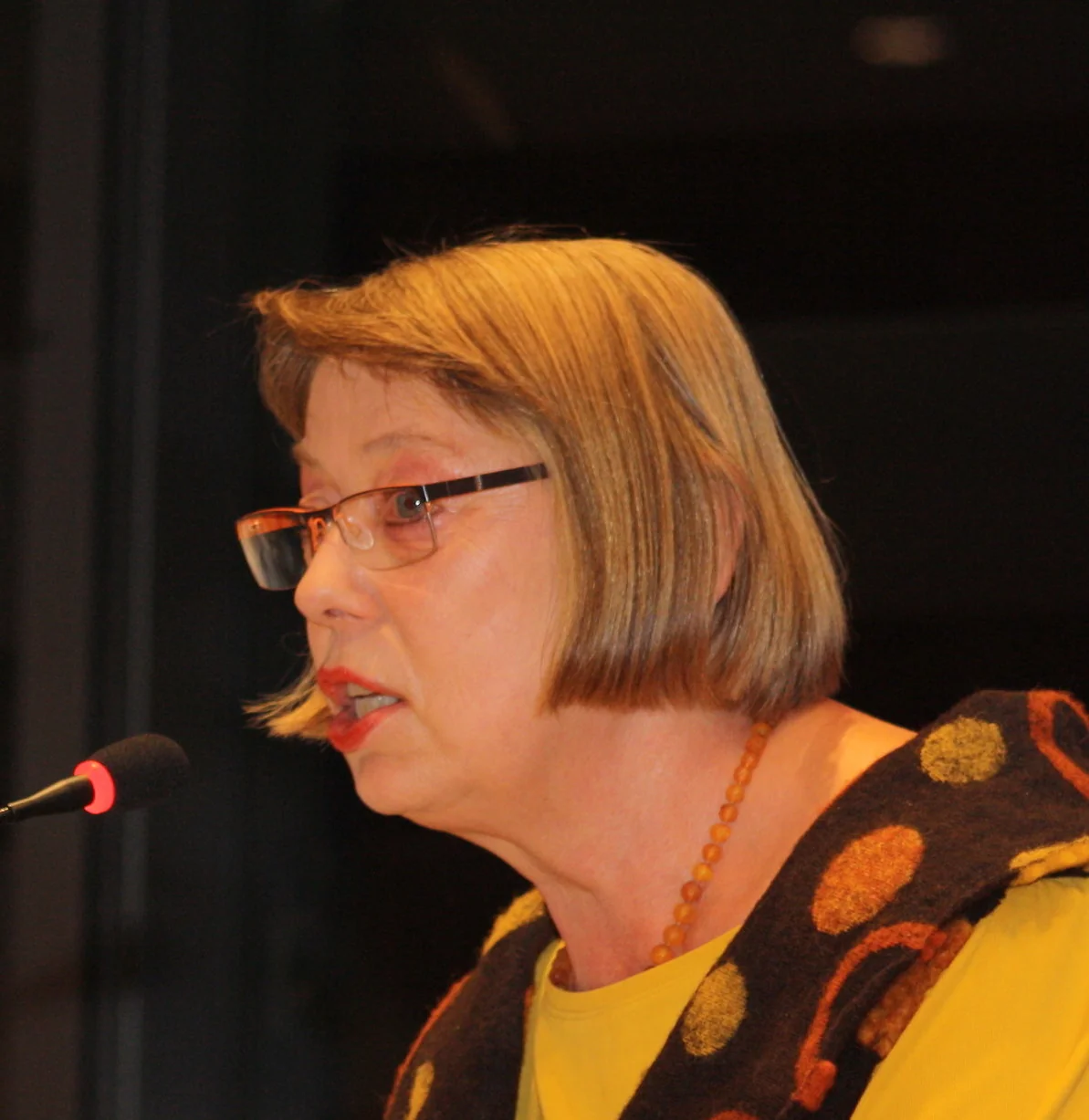
Image from Wikipedia
Image from Wikipedia
Monika Littau – a precise, poetic, and culturally committed voice in contemporary German literature
Monika Littau: Literature with a Sense for Language, Society, and Reality
Monika Littau, born on June 8, 1955, in Dorsten, is among the prominent contemporary German authors. Her work spans poetry, short prose, novels, children's books, theater, radio plays, and non-fiction, showcasing a remarkable stylistic range. Since 2007, she has been working as a freelance author and lives in the Rhineland and the Ruhr region. Her literary biography connects artistic production with cultural mediation and a long-standing commitment to the literary scene in North Rhine-Westphalia. ([de.wikipedia.org](https://de.wikipedia.org/wiki/Monika_Littau))
Biography: From Dorsten to the Literary Public Sphere
After graduating from Gymnasium St. Ursula Dorsten, Monika Littau studied German studies, geography, and musicology. This academic breadth continues to shape her perspective on language, perception, and cultural contexts. In the 1980s, she spent time in Sri Lanka and South Africa for academic purposes, which further broadened her view of the world, society, and literary forms. In 2017, she was also a short-term poetry lecturer at the Ocean University of China in Qingdao. ([de.wikipedia.org](https://de.wikipedia.org/wiki/Monika_Littau))
Before her work as a freelance author, Littau spent more than 20 years in research, education, and literary promotion, most recently in the Cultural Ministry of NRW. This professional background explains the precise, reflective tone of many of her texts as well as her pronounced sense of cultural infrastructure. She has been a member of the Association of German Writers at ver.di since 1982 and was actively involved in the association's work for several years, including serving on the state board. From 2011 to 2025, she also led the Society for Literature in NRW e.V. ([monika-littau.de](https://www.monika-littau.de/files/Biografie_MonikaLittau.pdf))
Literary Handwriting: Between Poetry, Prose, and Narrative Condensation
Monika Littau writes with a clear, often condensed language that both observes closely and opens up poetically. Her texts revolve around nature and transience, femininity, motherhood, and daughterhood, as well as the bodily-sensory experience of the world. The Literature Commission of Westphalia describes her work as versatile and driven by a “pulsating curiosity,” with high formal agility in exploring her themes. This blend of precise observation and literary openness gives her prose and poetry a unique presence. ([monika-littau.de](https://www.monika-littau.de/publikationen.html))
In the current press reviews, it becomes clear that Littau does not merely handle her subjects but shapes and deepens them literarily. Her work in poetry and prose has been noted for how she structures relationship phases and emotional movements with the moon as a timekeeper. Others emphasize the depth of research, playful language design, and literary precision in her texts. This showcases an author whose writing is not merely focused on effect but on accuracy, atmosphere, and intellectual depth. ([monika-littau.de](https://www.monika-littau.de/publ_pressezitate.html))
Career and Engagement: Postpoetry.NRW and Literary Promotion
An important part of Littau's artistic biography is her work in literary mediation. She conceived and led the project postpoetry.NRW, a state competition that she oversaw for years, bringing poetry into public spaces and educational contexts. This commitment connects literary quality with cultural participation and demonstrates that her work extends far beyond her own writing. Monika Littau represents an authorial role that brings together production, mediation, and cultural-political responsibility. ([de.wikipedia.org](https://de.wikipedia.org/wiki/Monika_Littau))
This attitude is also evident in her readings, workshops, and writing promotions. On her project page, she describes offerings for schools, kindergartens, and parent education, covering themes such as poetry, Sinti and Roma, stories of elderly people, anorexia, and alphabetization in Alphabettania. The focus is always on promoting reading, linguistic curiosity, and independent storytelling. Littau thus works not only as a writer but also as a cultural educator with a clear understanding of the impact of language. ([monika-littau.de](https://www.monika-littau.de/projekte.html))
Important Books and Works: Poetry, Prose, Children's Literature, and Radio Plays
Some of Monika Littau's well-known titles include Ich bin bunt (2013), über malungen (2016), Weltreise Sri Lanka. Freiheit für Amila (2017), Manchmal oben Licht (2021), and the reading book from 2022. Additionally, there are projects like the live radio play Nicht APO und nicht Mafia. Die Buchela sagt aus, which premiered in 2017. These titles illustrate the breadth of her work: from literary children's books to poetic short forms and documentary texts. ([monika-littau.de](https://www.monika-littau.de/publikationen.html))
Especially impressive is the thematic depth of Manchmal oben Licht, in which Monika Littau tells of aging, dementia, and death in concise, lyrical prose. The text works with fragments, memory shifts, and the existential yearning for home. über malungen also demonstrates her interest in image, perception, and layering: poems inspired by paintings and sculptures unfold a poetic dialogue between seeing and writing. This is literature that observes closely and gains form from observation. ([monika-littau.de](https://www.monika-littau.de/publikationen.html))
Awards and Recognition: Literature with Substance
Over the years, Monika Littau has received several scholarships, grants, and awards. These include the Promotion Award of North Rhine-Westphalia in 1988, a work scholarship from the state of NRW in 1999, residencies in Rhodes, a scholarship from the Film and Media Foundation NRW, and a scholarship from the Art Foundation NRW. Additional accolades include the Bonn Literature Prize in 2021 and various recognitions for her political poetry. These awards attest to the lasting appreciation of her literary work. ([de.wikipedia.org](https://de.wikipedia.org/wiki/Monika_Littau))
The reception of her work also shows that Littau is not confined to a single genre. Her texts are described as precise, research-intensive, poetic, and socially aware. This combination of literary craftsmanship and thematic relevance strengthens her authority within contemporary literature. Monika Littau represents a writing stance that does not need to be loud to have a lasting impact. ([monika-littau.de](https://www.monika-littau.de/publ_pressezitate.html))
Current Projects and Publications: Literature in the Here and Now
Even in recent years, Monika Littau remains active. On her website and in current entries, publications and projects can be found, such as the announced or published book Bonner Bogen – Literarisches von A wie Beethoven bis Z wie Westerwelle, which she co-edited with Harald Gesterkamp and is expected to release in 2025. The reading book, which compiles her work and includes a postscript by Marion Gay, was published in 2022. In 2021, she published Manchmal oben Licht, a text that particularly showcases her poetic condensation. ([de.wikipedia.org](https://de.wikipedia.org/wiki/Monika_Littau?utm_source=openai))
At the same time, Littau continues her work as a moderator, reader, and literary mediator. The combination of publications, literary educational work, and cultural-political engagement showcases an author whose presence is not concluded but continues to be productive. Her career demonstrates that literary relevance can also arise from continuity, institutional thinking, and public presence. Monika Littau thus remains a voice that is both firmly rooted in the literary field and independently active. ([monika-littau.de](https://www.monika-littau.de/files/Biografie_MonikaLittau.pdf))
Cultural Influence: Literature as Mediation and Responsibility
The cultural influence of Monika Littau lies not only in her books but also in her role as a networker, initiator, and mediator. With postpoetry.NRW, she has helped shape a format that brings poetry into new public spaces and broadens literary perception. As chairperson of the Society for Literature in NRW, she has also been a significant figure in the regional literary landscape for many years. Her work exemplifies how authorship, cultural work, and institutional knowledge can intertwine. ([de.wikipedia.org](https://de.wikipedia.org/wiki/Monika_Littau))
Her work also demonstrates how contemporary literature can reflect societal themes such as aging, memory, education, femininity, and social reality. Monika Littau writes not decoratively, but with a sense of responsibility, structure, and linguistic precision. Therefore, her oeuvre holds enduring value for readers seeking sophisticated, thematically aware, and formally meticulous literature. Reading her texts allows one to encounter an author who convincingly integrates art and public life. ([monika-littau.de](https://www.monika-littau.de/publikationen.html))
Conclusion: An Author with Quiet Authority and Great Literary Presence
Monika Littau is fascinating because she combines writing, mediation, and cultural-political engagement into a credible literary stance. Her texts are attentive, poetic, and thematically rich; her biography stands for continuity and cultural responsibility. Those who wish to understand contemporary German literature beyond loud effects will find an author with substance, style, and profile here. Her readings and book presentations are worthwhile because there, language is not only read but experienced as a living art form. ([de.wikipedia.org](https://de.wikipedia.org/wiki/Monika_Littau))
Official Channels of Monika Littau:
- Instagram: no official profile found
- Facebook: no official profile found
- YouTube: no official profile found
- Spotify: no official profile found
- TikTok: no official profile found
Sources:
- Monika Littau - Poetry Prose Writing Workshop Readings Moderation - Official Website
- Monika Littau – Biography (PDF) - Official Website
- Monika Littau - Publications - Official Website
- Monika Littau - Projects - Official Website
- Monika Littau - Press Quotes - Official Website
- Wikipedia - Monika Littau
- Literaturland Westfalen - über malungen
- Elsinor Verlag - Monika Littau
- LITon.NRW - postpoetry.NRW