
Sobo Swobodnik
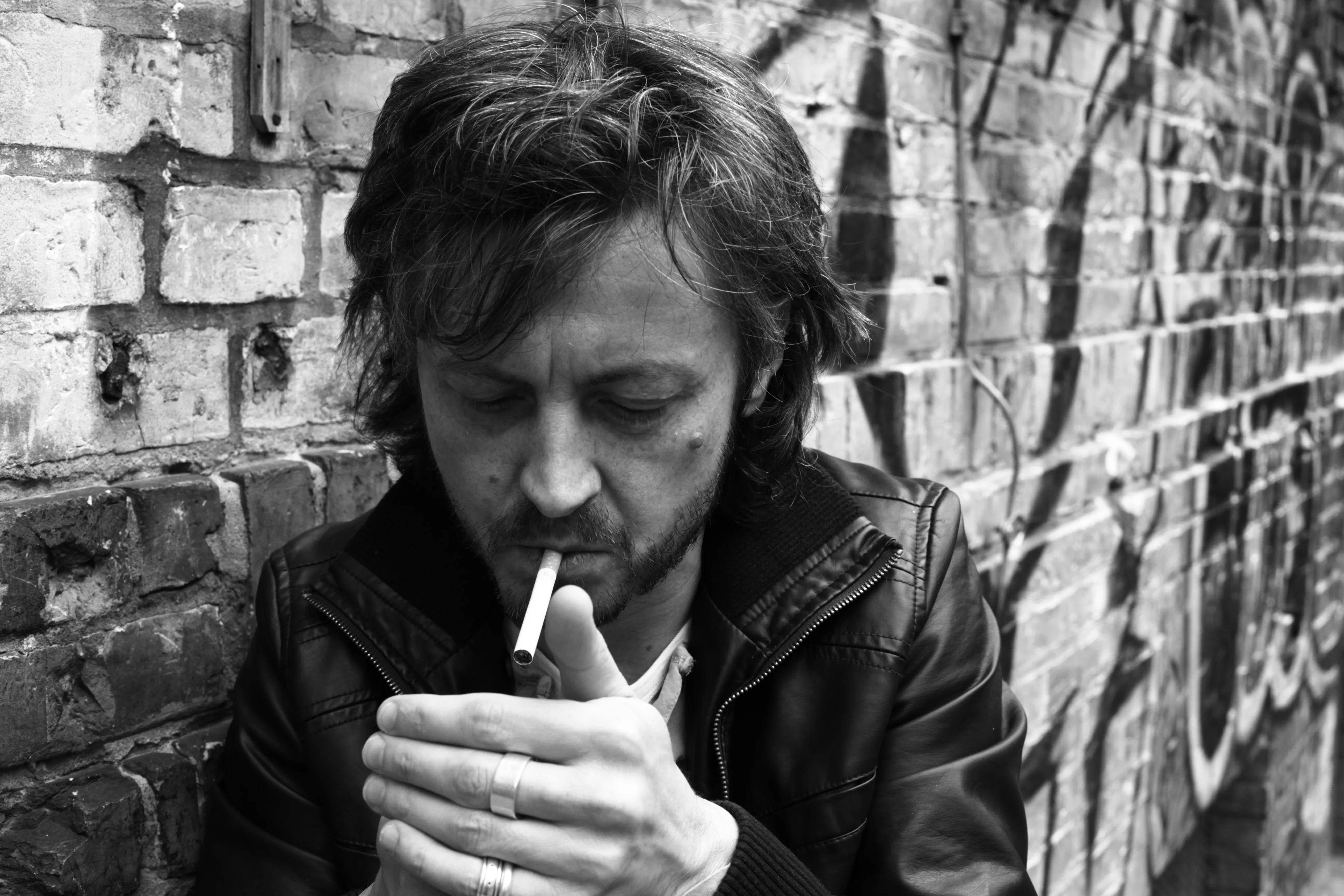
Image from Wikipedia
Image from Wikipedia
Sobo Swobodnik: The Boundary Walker Between Literature, Film, and Political Perspective
An Author and Filmmaker with a Sharp Social Compass
Sobo Swobodnik, born in 1966, belongs to those German cultural workers whose work consistently navigates the edges of the visible. Growing up on the Swabian Jura, he completed his Abitur in Aalen, studied acting in Munich, and subsequently worked as a director at several German theaters. Later, he took on the role of radio editor and developed an artistic career that unfolds with remarkable consistency between theater, literature, and film. ([de.wikipedia.org](https://de.wikipedia.org/wiki/Sobo_Swobodnik?utm_source=openai))
Swobodnik is the author of numerous stories and novels, including the first "Paul Plotek novel" Altötting and a novel about the resistance fighter Johann Georg Elser. Under the pseudonym Sobo, he also published several children's books. As a filmmaker, he has directed documentary, feature, and short films, making a name for himself primarily with works that focus on social outsiders, biographical ruptures, and political friction. ([de.wikipedia.org](https://de.wikipedia.org/wiki/Sobo_Swobodnik?utm_source=openai))
Biographical Roots and Artistic Formation
His background from the Swabian Jura influences Swobodnik's work not as a folkloric backdrop but as a biographical resonance field. Several sources describe how his upbringing in humble circumstances developed an artistic perspective that does not romanticize social origin but interrogates it analytically. In interviews and reviews, this interplay between origin, mobility, and self-assertion emerges as a central motif in his work. ([theleftberlin.com](https://www.theleftberlin.com/dreams-are-not-lost-just-because-they-cant-be-realised/?utm_source=openai))
His training in acting and work in theaters form an essential foundation. They explain the precision of his productions, his sense of roles, bodies, and language, as well as his proximity to essayistic forms. Swobodnik is not a filmmaker who merely observes; he organizes, frames, and compresses, often with a clear formal handwriting. ([de.wikipedia.org](https://de.wikipedia.org/wiki/Sobo_Swobodnik?utm_source=openai))
Film Career: From Theatrical Perspective to Documentary
In his film work, Swobodnik prominently displays himself as a chronicler of discomfort. Der Papst ist kein Jeansboy about Hermes Phettberg won the Max Ophüls Prize for Best Documentary in 2012 and has been described at festival appearances as a radical, formally consistent portrait. The jury and festival reception emphasized the black-and-white aesthetics, the observation of decaying bodies, and the connection between life, death, and media self-representation. ([presseportal.de](https://www.presseportal.de/pm/6348/4386608?utm_source=openai))
Other works also mark a clear focus on societal fringe zones. See you received the Robert-Geisendörfer Prize in 2019, awarded to Swobodnik as author and director. Klassenkampf – Porträt einer sozialen Herkunft was perceived in 2021 as an autobiographically influenced essay film reflecting the rise from precarious circumstances. These works do not present a music career in the traditional sense but show an artistic development that carries the same urgency with which other artists shape their discography. ([presseportal.de](https://www.presseportal.de/pm/6348/4386608?utm_source=openai))
Current Projects and Recent Works
His recent projects include Schmetterlinge im Kopf from 2021 and Geschlechterkampf – Das Ende des Patriarchats from 2023. Both works continue Swobodnik's interest in social conflicts, individual overwhelm, and political self-examination. Particularly, Geschlechterkampf is described in film criticism as an essayistic perspective on gender roles, work pressure, and patriarchal structures, driven by a mix of anger, humor, and self-assertion. ([crew-united.com](https://www.crew-united.com/en/Schmetterlinge-im-Kopf__298710.html?utm_source=openai))
The production credits for these films also indicate a close collaboration with co-authors and producers, such as Margarita Breitkreiz and Frieder Schlaich. This underscores Swobodnik's practice as a collective yet clearly directed artistic endeavor. He remains visibly present in multiple roles: directing, writing, cinematography, or production are repeatedly mentioned in the sources and affirm a versatile craftsmanship. ([crew-united.com](https://www.crew-united.com/en/Schmetterlinge-im-Kopf__298710.html?utm_source=openai))
Discography, Musical Relevance, and Reception
A verifiable musical discography in the classical sense is not established for Sobo Swobodnik. Available sources clearly identify him as a writer, theater author, and filmmaker, not as a musician or music producer. For an SEO-friendly artist page, this clarity is important: there is no album catalog at the center, but a body of work that exerts cultural influence through literature, theater, and film. ([de.wikipedia.org](https://de.wikipedia.org/wiki/Sobo_Swobodnik?utm_source=openai))
However, music plays a notable supporting role in individual works, particularly as an atmospheric or dramatic element. In Der Papst ist kein Jeansboy, music by Johann Sebastian Bach is mentioned, and various films by Swobodnik are described as dense audiovisual compositions where sound, rhythm, and visual design collaborate closely. Critical reception often highlights the formal rigor and expressive power of his productions. ([dokfest-muenchen.de](https://www.dokfest-muenchen.de/films/der-papst-ist-kein-jeansboy?lang=en&utm_source=openai))
For his cultural influence, his engagement with outsiders, social milieus, and political biographies is crucial. Whether it's Hermes Phettberg, social origin in Klassenkampf, or patriarchal structures in Geschlechterkampf – Swobodnik works on a cinema of perspective that does not smooth over contradictions but exposes them. This gives him authority as a narrator of the present and memory. ([film-rezensionen.de](https://www.film-rezensionen.de/2021/09/klassenkampf/?utm_source=openai))
Cultural Influence and Aesthetic Signature
Swobodnik's signature is marked by observation, intensification, and an uncompromising gaze at social reality. His work navigates between essay film, documentary, and literary self-examination, positioning him between auteur cinema and political cultural critique. This combination of experience, expertise, and formal consistency makes him a distinctive voice in contemporary German cinema. ([film-rezensionen.de](https://www.film-rezensionen.de/2021/09/klassenkampf/?utm_source=openai))
His theater work and literary texts also suggest an attraction to characters that fall outside the norm. Swobodnik is less interested in a smooth narrative than in friction: social origin, language, body, power, and failure. Thus, his work touches on themes that extend far beyond the individual medium, generating sustainable cultural readability. ([de.wikipedia.org](https://de.wikipedia.org/wiki/Sobo_Swobodnik?utm_source=openai))
Conclusion: An Artist of Friction, Not Surface
Sobo Swobodnik is compelling because he does not understand art as decoration but as a precise tool for social and political perception. His films and texts emerge from careful observation, clear stance, and a biographical depth that lends credibility to his works. Those who are interested in demanding contemporary art will find here an artist whose work compels careful attention. ([film-rezensionen.de](https://www.film-rezensionen.de/2021/09/klassenkampf/?utm_source=openai))
Especially live, in conversation, at festivals, or during screenings, this energy unfolds particularly strongly. Sobo Swobodnik does not invite mere entertainment, but an engagement with origin, society, and form. Those who experience his works encounter an artist with conviction, analytical sharpness, and a distinct voice. ([presseportal.de](https://www.presseportal.de/pm/6348/4386608?utm_source=openai))
Official Channels of Sobo Swobodnik:
- Instagram: No official profile found
- Facebook: No official profile found
- YouTube: No official profile found
- Spotify: No official profile found
- TikTok: No official profile found
Sources:
- Wikipedia – Sobo Swobodnik
- Presseportal – Robert-Geisendörfer-Preis for ZDF/3sat documentary “Ab 18! - See you”
- DOK.fest Munich – Der Papst ist kein Jeansboy
- The Left Berlin – Interview with Sobo Swobodnik
- film-rezensionen.de – Klassenkampf
- Critikat – Silentium
- German Documentaries – Butterflies in Mind
- IndieKino Magazine – Geschlechterkampf – Das Ende des Patriarchats